Executive Summary
Consumers worldwide are increasingly shifting toward health- and wellness-oriented consumption, accelerated by four key drivers: (i) new dietary guidelines in several countries that recommend higher daily protein intake; (ii) the longevity trend and population aging in many countries; (iii) the rising number of patients with non-communicable diseases (NCDs) and growing health awareness; and (iv) advances in nutrition science and food innovation.
As a result, consumers worldwide are paying closer attention to “protein,” an essential nutrient for building and maintaining muscle mass. This has given rise to a protein craze known as “Proteinmaxxing,” and manufacturers have launched a large number of new protein-fortified food and beverage products. Euromonitor estimates that the global retail market for high-protein products exceeded USD 3 trillion in 2025. In Thailand, protein-fortified products have expanded from a niche segment for athletes and fitness enthusiasts to the broader consumer base, with the market valued at around THB 21,570 million in 2025.
Krungsri Research expects the market to keep growing, expanding by 9.8–10.8% in 2026 and by an average of 10.0–11.0% per year over 2027–2030 to reach THB 35,000–36,000 million in 2030, supported by population aging and the mainstreaming of health-oriented consumption. Nevertheless, the market faces pressure from (i) high and volatile costs of imported protein concentrates, (ii) low barriers to entry for new players, (iii) stricter labeling and quality regulations, and (iv) consumers who are increasingly aware of protein quality. Krungsri Research believes the industry will shift in three directions: (i) from protein-fortified products to multi-functional nutrition products; (ii) from protein quantity to quality and transparency; and (iii) from basic protein to alternative proteins and future food.
Thailand has the opportunity to build on the existing strengths of its food and beverage industry, including a production supply chain that meets recognized standards, food manufacturers’ processing expertise, and nationwide retail distribution networks. However, Thailand still relies on imported protein ingredients, and its exports remain concentrated in neighboring markets. Krungsri Research proposes three strategies for business operators: (i) develop products differentiated by health benefits rather than competing on protein content and price; (ii) upgrade production and diversify protein ingredient sourcing to reduce costs and dependence on imported ingredients; and (iii) build credibility in quality through traceability systems and standard certifications, alongside expanding into export markets.
From “Eating to Fill Up” to “Eating for Health”: An Emerging Consumer Behavior Going Mainstream
Health- and wellness-oriented consumption refers to consumers expecting benefits from food beyond energy or satiety, such as weight control, muscle maintenance, or a lower risk of non-communicable diseases (NCDs).
1/
Consumers worldwide are increasingly embracing this form of consumption, making health a key driver of the megatrend of “New Societal Mindset.”2/ A 2025 survey by NielsenIQ
3/ found that 70% of consumers worldwide consider themselves proactive about their health and 57% place more importance on staying healthy as they age than they did five years ago, while 53% plan to buy more high-fiber foods and around 40% plan to consume more plant-based high-protein foods, superfoods, and probiotic foods.
The key accelerators driving health-oriented consumption into the mainstream include:
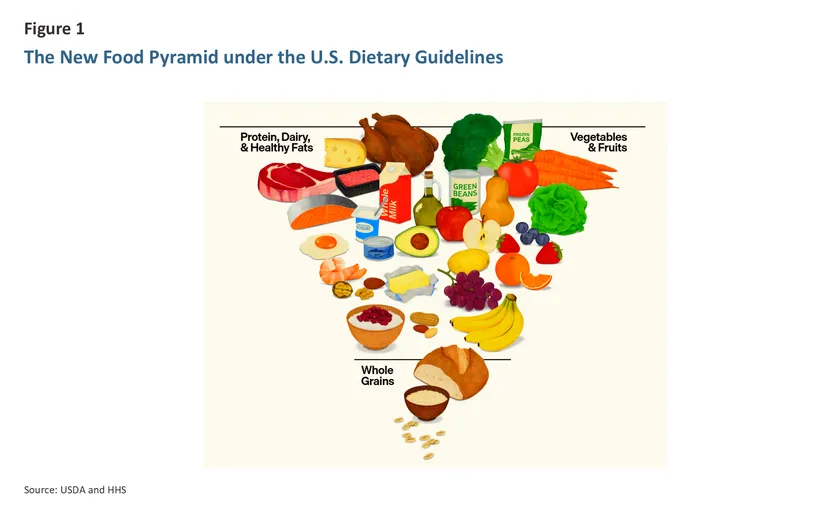
1) New dietary guidelines that promote protein intake. In January 2026, the U.S. Department of Agriculture (USDA) and the U.S. Department of Health and Human Services (HHS) released
the Dietary Guidelines for Americans (DGA), 2025–2030, which invert the food pyramid by placing protein, dairy, and healthy fats, together with vegetables and fruits, in the widest section and moving whole grains to the narrowest section (Figure 1). The guidelines also set a protein intake target of 1.2–1.6 grams per kilogram of body weight per day, higher than the previous Recommended Dietary Allowance (RDA) of 0.8 grams.
Beyond the United States, several countries, such as Finland, Belgium, and the Netherlands,
4/ have also revised their dietary guidelines to recommend a higher share of protein intake, particularly plant-based protein.
In Thailand, although the criteria for the general population have not yet been revised, the Department of Health recommends that older adults (aged 60 and above) consume 1.0–1.2 grams of protein per kilogram of body weight per day to prevent low muscle mass.
5/
2) The longevity trend. As many countries become aging societies, people are paying more attention to their health, shifting from avoiding illness in the short term to caring for both physical and mental well-being over the long term. In Thailand, research by the College of Management, Mahidol University (CMMU)6/ and a survey by PwC7/ show that Thai consumers of all ages view health as a long-term investment rather than something to attend to only when they fall ill. This is particularly true of Gen X, Gen Y, and Gen Z, who have made health-related activities part of their daily lives and are buying more healthy food and beverages.
3) Rising NCD cases and growing health awareness. The number of NCD patients is rising even among working-age and younger people,8/ prompting consumers worldwide to focus more on preventive health care. Meanwhile, digital and social media are accelerating consumers’ awareness of health problems and encouraging long-term changes in health behavior.
4) Advances in nutrition science and food innovation. Advances in nutrition knowledge, food science, and production technology have enabled businesses to develop a wider and more targeted range of health products, such as functional food and beverages, plant-based alternative proteins, and products fortified with specific nutrients.9/ Consumers therefore have greater access to healthy food that is convenient, tasty, and beneficial.
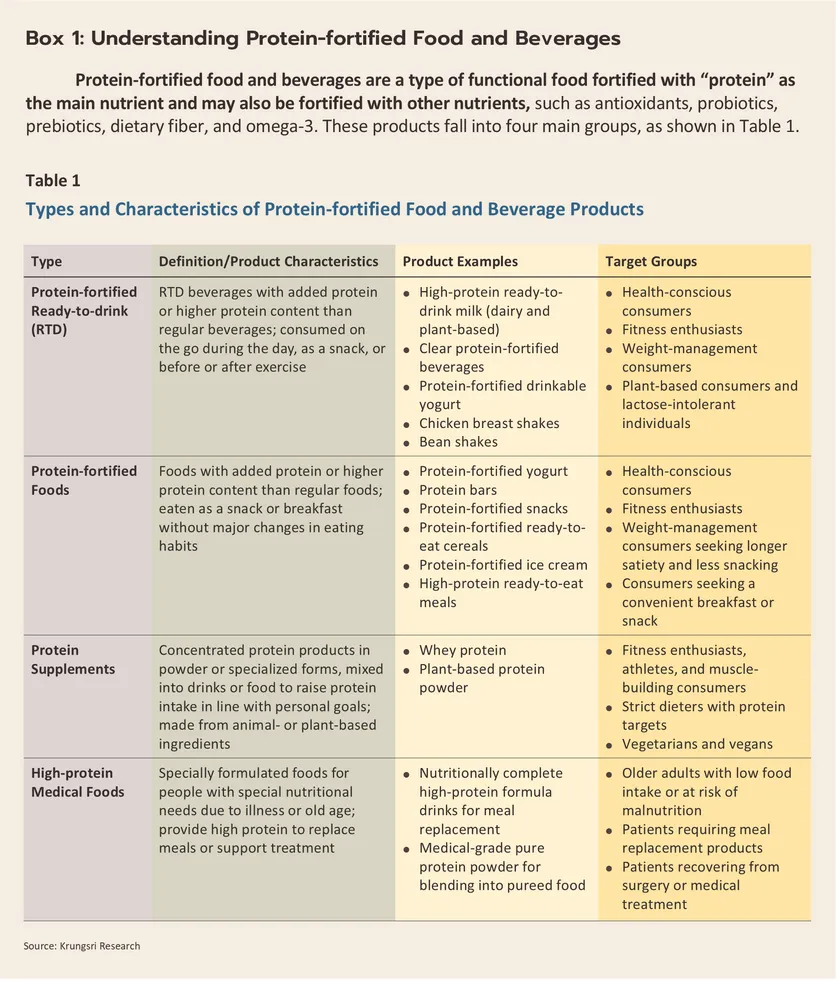
Why Protein?: Understanding Protein-fortified Food and Beverages
“Protein” is an essential nutrient that directly addresses health needs because it plays a key role in many functions of the human body, including (i) building enzymes, hormones, and neurotransmitters and supporting the immune system, with protein supplying the nine essential amino acids that the body cannot produce on its own;
10/ (ii) building and repairing muscle, bone, and other tissues; (iii) providing energy for daily activities; and (iv) helping to control appetite and maintain metabolism. In addition, because the human body has no reserve for storing amino acids, unlike fat and carbohydrates, it needs to obtain protein from food every day.
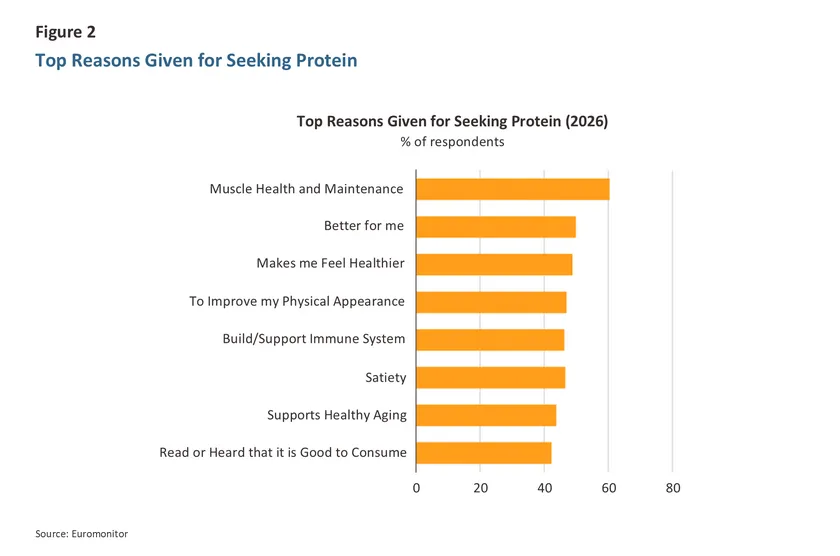
Given these roles, consumers worldwide are consuming more protein. A Euromonitor survey covering 21 countries across six regions
11/ found that consumers are increasingly looking for products labeled as “High-protein,” with health and muscle maintenance as the top reason (Figure 2). Moreover, many consumers see fat and carbohydrates as potentially good or bad for health but regard protein as “always good.” Protein has thus acquired a health halo, which has supported growing demand for protein-fortified products in recent years.
As a result, the global markets for protein-fortified food and beverages and for dietary supplements have grown rapidly, giving rise to the “protein craze,” or “Proteinmaxxing,”11/,12/ the belief that the more protein one consumes, the better for one’s health. Manufacturers worldwide have therefore rushed to launch new products that highlight their protein content, ranging from beverages, dairy products, and snacks to ready-to-eat meals. Euromonitor estimates that the global retail market for high-protein products exceeded USD 3 trillion in 2025,13/ and as of February 2026, around 137,000 products (SKUs) carrying high-protein claims were on sale worldwide.
Thailand’s Protein-fortified Food and Beverage Market
From Niche Products to Everyday Health Products
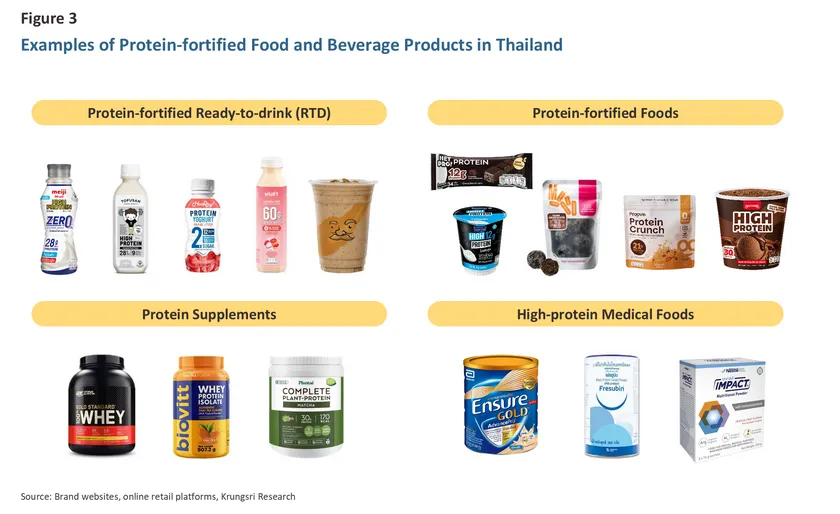
In the past, protein-fortified food and beverages were often seen as niche products for athletes, fitness enthusiasts, or people seeking to build muscle mass. However, as consumers have become more health-conscious and Thailand has entered an aging society, demand for protein has grown, prompting Thai manufacturers to develop products for everyday health-oriented consumption and to broaden their customer base to general consumers, fitness enthusiasts and muscle-building consumers, weight-management consumers, and older adults. As a result, the protein-fortified food and beverage market has expanded rapidly, consistent with a 2026 PwC survey,14/ which found that 80% of Thai consumers had purchased specially formulated health food and beverages in the past 12 months, above the global average of 35%. Products on the market today are diverse and increasingly easy to find through convenience stores, supermarkets, hypermarkets, health stores, and online channels, while medical foods are sold mainly through pharmacies and specialized healthcare retailers (Figure 3).
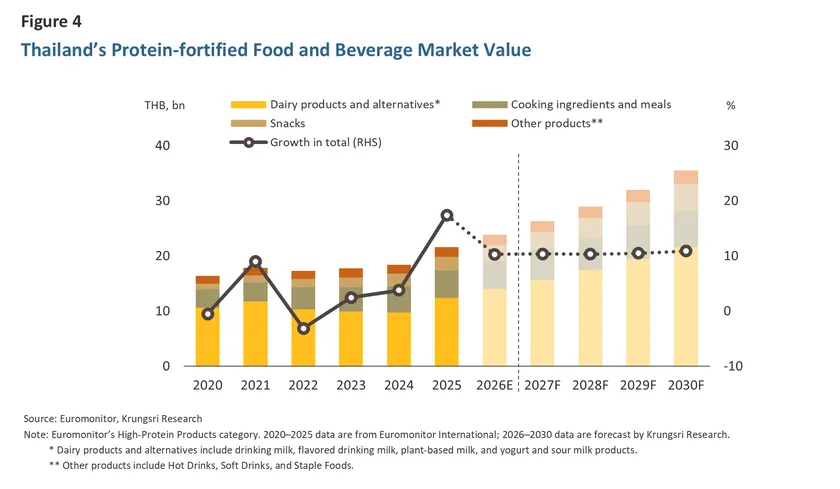
In 2025, Thailand’s protein-fortified food and beverage market was valued at around THB 21,570 million, with dairy products and alternatives accounting for the largest share (57.2% of total market value), followed by cooking ingredients and meals (23.0%), snacks (11.7%), and other products (8.1%) (Figure 4). Krungsri Research expects the market to expand by 9.8–10.8% in 2026 to THB 23,300–24,300 million, driven mainly by: (i) the rapidly growing popularity of high-protein ready-to-drink milk, as consumers become more health- and nutrition-conscious and exercise more; (ii) a steady stream of new product launches offering a variety of flavors, benefits, and formats that are also convenient for consumers with busy lifestyles; and (iii) expanding distribution channels, led by convenience stores and modern retail outlets, which are the main channels, as well as online channels. However, the market still faces pressure from fragile domestic purchasing power amid the economic slowdown and from weaker confidence among some consumers due to concerns over label information and product quality.
Supply Chain and Potential of Thailand’s Protein-fortified Food and Beverage Industry
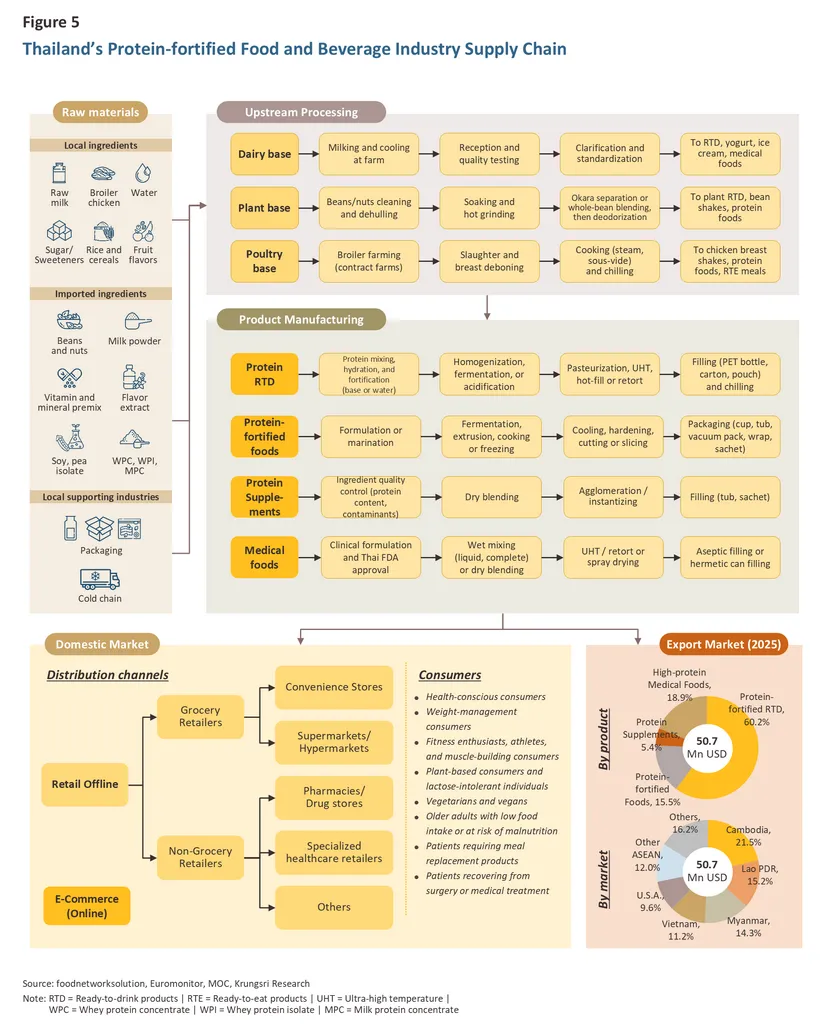
Thailand’s protein-fortified food and beverage supply chain covers (i) raw material sourcing of animal- and plant-based protein; (ii) upstream processing of protein raw materials (such as cow’s milk, beans and grains, and chicken meat) into functional protein ingredients, for example, by increasing protein concentration or reducing undesirable odors and flavors; (iii) product manufacturing; and (iv) distribution to consumers. Thailand’s key strength lies in its robust production base for protein raw materials, which gives manufacturers access to animal protein at competitive costs. At the same time, Thailand’s food manufacturing and processing sector has advanced technology and expertise, enabling it to develop products with diverse flavors, textures, and formats while keeping quality consistent throughout their shelf life. In addition, the market has distribution channels that are convenient for consumers, and manufacturers have developed cold-chain logistics systems to transport products that require low-temperature storage, such as protein-fortified beverages and dairy products (Figure 5).
However, Thailand still needs to import key ingredients, such as whey protein concentrate (WPC) and whey protein isolate (WPI) from the United States and Europe, as well as certain primary raw materials, such as milk powder and dairy products from New Zealand and Australia and soybeans from Brazil and the United States. On the export side, the value of protein-fortified food and beverages remains relatively small, estimated at around USD 50.7 million in 2025. The main export markets are the CLMV countries (62% share), other ASEAN countries (12.0%), and the United States (9.6%).
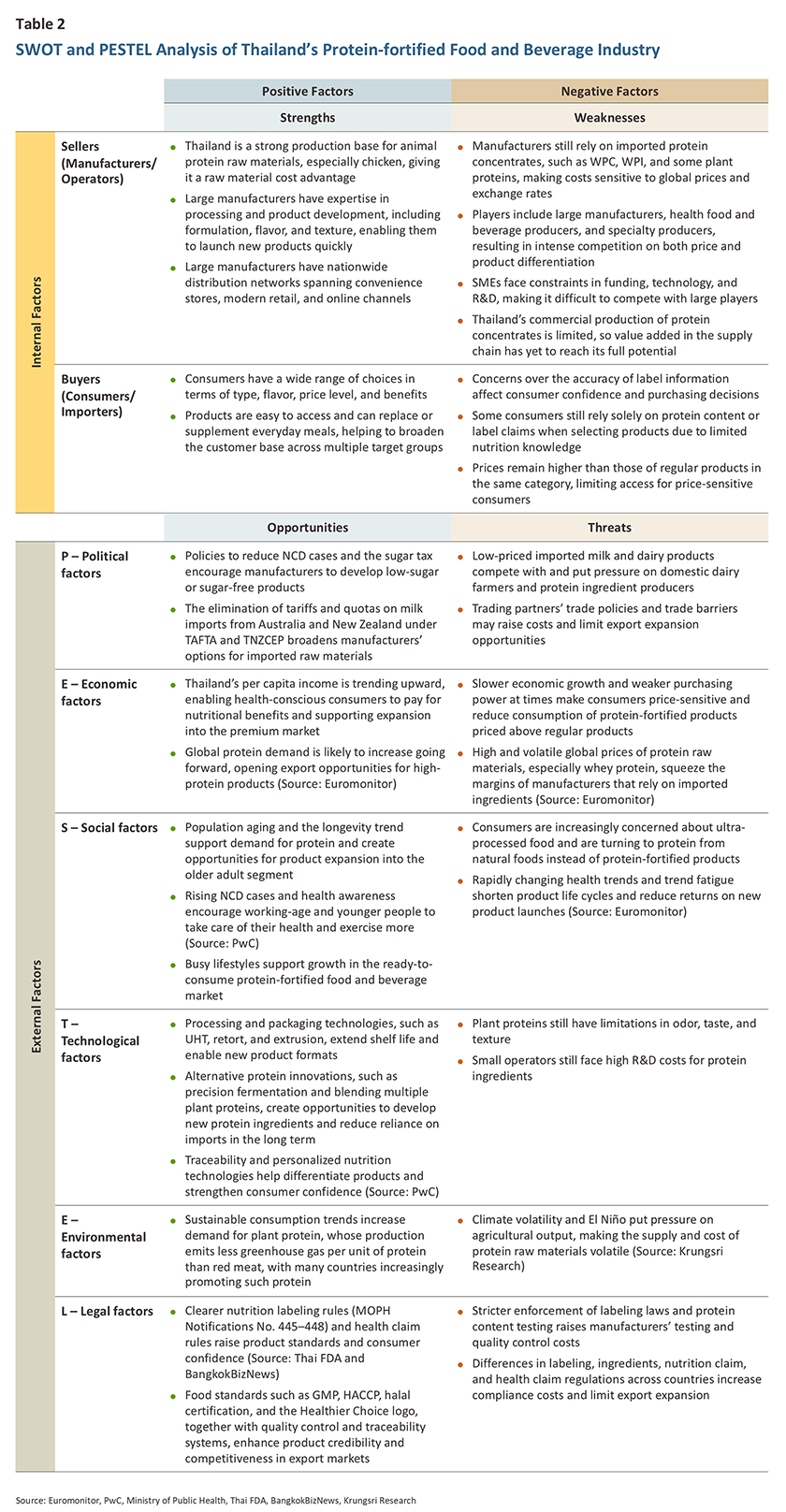
Krungsri Research assesses the potential of Thailand’s protein-fortified food and beverage industry using a combined SWOT and PESTEL analysis, with the results summarized as follows (Table 2):
Production and operator capabilities: Thai manufacturers are well equipped with production and processing technology, enabling them to upgrade raw materials such as cow’s milk and plant-based milk into high value-added products and to leverage retail networks and distribution channels to expand their consumer base. However, manufacturers still rely on imported ingredients, making their costs sensitive to global market prices and exchange rates. SMEs also face greater constraints than large players in funding, technology, and R&D personnel, making it harder for them to develop new products and manage costs.
Consumption and market demand: Manufacturers can benefit from domestic demand for protein-fortified products, which is likely to keep expanding, as well as from opportunities to expand into overseas markets. However, some consumer groups remain sensitive to prices that are higher than those of regular food and are concerned about product quality and safety. Manufacturers may therefore face challenges in expanding the market and need to take into account price, value for money, quality, and product credibility.
Competition and market opportunities: Competition is likely to intensify amid high and volatile costs, which squeeze operators’ margins. Manufacturers therefore need to move upmarket into premium products by adding nutritional value beyond protein content per unit and to use production innovation to improve efficiency and differentiate themselves from competitors.
Ecosystem and policy environment: Government policy supports manufacturers’ options for sourcing imported ingredients through free trade agreements (FTAs) with trading partners, while the industry’s food and beverage safety standards help strengthen consumer confidence. However, stricter nutrition labeling requirements and risks from external factors, such as climate volatility and geopolitical conflicts, may raise operators’ costs, particularly for SMEs, which find it harder to adapt than large operators.
Market Outlook and Future Industry Direction
Krungsri Research expects Thailand’s protein-fortified food and beverage market to grow by an average of 10.0–11.0% per year over 2027–2030, reaching THB 35,000–36,000 million in 2030 (Figure 4), driven by: (i) population aging and the longevity trend, which boost demand for products that help maintain muscle mass and for protein-fortified medical foods; (ii) the mainstreaming of health-oriented consumption, which is leading working-age people, younger generations, and older adults to consume protein-fortified products in their daily lives, no longer limited to fitness enthusiasts as in the past; and (iii) product development for differentiation and value creation, particularly multi-functional nutrition products. However, the market still faces pressure from: (i) the costs of imported protein concentrates, particularly whey protein, which remain high and volatile; (ii) low barriers to entry for new players, which intensify competition; (iii) stricter labeling and quality regulations, which squeeze operators’ margins; and (iv) consumers who are increasingly aware of protein quality, ingredient sources, and production processes, particularly following concerns over the accuracy of product label information. This is putting pressure on manufacturers to enhance product quality and improve transparency in product information to strengthen consumer trust.
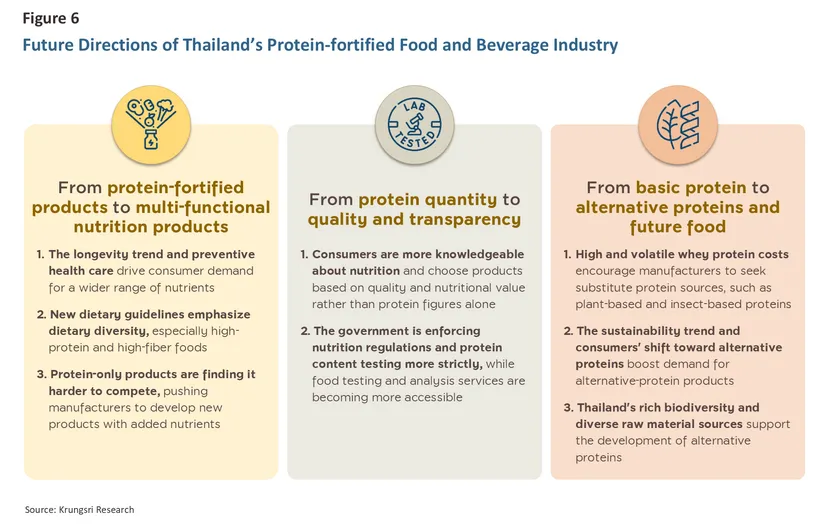
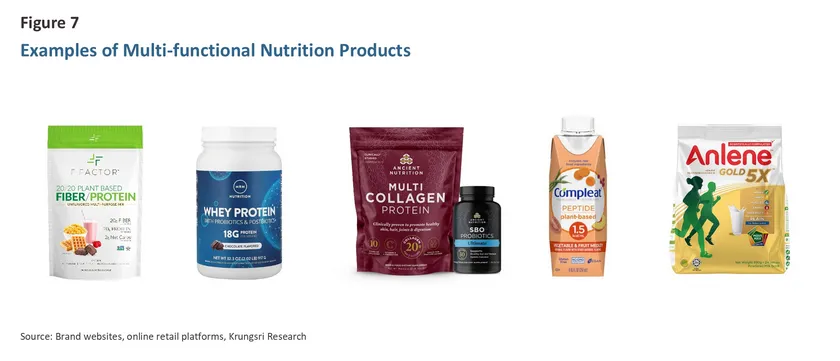
Krungsri Research believes that Thailand’s protein-fortified food and beverage industry will shift in three directions (Figure 6), namely: (i) from protein-fortified products to multi-functional nutrition products, as the longevity trend and new dietary guidelines drive consumer demand for multiple benefits in a single product, while protein-only products are finding it harder to compete (Figure 7); (ii) from protein quantity to quality and transparency, as consumers become more knowledgeable about nutrition and inspections of labels and protein content become stricter; and (iii) from basic protein to alternative proteins and future food, as high and volatile whey protein costs, together with the sustainability trend and Thailand’s diverse agricultural raw materials, encourage manufacturers to seek other protein sources,15/ such as plant-based and insect-based proteins.
Krungsri Research View: Opportunities and Challenges for Thailand’s Health Food and Beverage Market
Where Do Thailand’s Opportunities and Challenges Lie?
Krungsri Research assesses the opportunities and challenges for key players in the supply chain as follows:
-
Manufacturers/operators: Thai operators have the opportunity to leverage the strengths of the existing food and beverage industry to move into high value-added protein-fortified products, supported by the availability of protein raw materials as well as production and processing technology and expertise. However, operators still need to reduce their reliance on imported ingredients, machinery, and innovation, differentiate their products, and maintain confidence in product quality amid stricter labeling and nutrition claim requirements and increasingly informed consumers.
-
Consumers: Thai consumers have a wider choice of products that better meet their individual health needs, in terms of protein quantity, protein quality, and other added nutrients. However, consumers need nutrition knowledge and the ability to read and understand label information, as they face an increasingly diverse and growing range of products in the market, as well as more detailed and in-depth health information.
-
Farmers: Thai farmers can add value to agricultural products that are protein sources to supply the protein-fortified food and beverage industry, particularly dairy farmers, protein crop farmers (such as soybeans and new cash crops), and livestock farmers. However, farmers need to raise the quality of their raw materials to meet industry requirements, emphasizing safety standards and traceability to cultivation and production sources, and prepare for risks from climate volatility, which may become more frequent and severe going forward.
-
Exporters/importers: Thai exporters can expand into wider markets by leveraging free trade agreements (FTAs). However, exporters may face uncertainty from trade regulations, including trading partners’ tariff measures and non-tariff barriers (NTBs), as well as food safety, labeling, nutrition claim, and health claim requirements that are stringent and may differ in detail from country to country. Importers may also be affected by volatile raw material prices and exchange rates, as well as by external factors, such as geopolitical conflicts and natural disasters, which may disrupt the continuity of imports and raise sourcing costs.
Recommendations for Businesses
Krungsri Research recommends that operators pursue the following three strategies:
-
Develop products differentiated by health benefits: Operators should shift from competing on protein content to developing products that meet the specific needs of target groups, such as older adults who want to maintain muscle mass, weight-management consumers, and working people with busy lifestyles who need both convenience and a variety of nutrients. This will add value and reduce price competition.
-
Upgrade production and diversify protein ingredient sourcing: Operators should invest in R&D to develop domestic protein ingredients, alongside using technology to reduce costs and raw material losses, and improve formulations by blending a variety of protein ingredients to suit products and consumer needs. This will help reduce exposure to cost volatility and dependence on imported protein concentrates in the long term.
-
Build credibility in quality alongside expanding export markets: Operators should invest in quality control and traceability systems to build confidence in their products, by disclosing test results from standard-compliant laboratories and communicating nutrition information and benefits with verifiable data. In addition, operators should leverage certification standards such as GMP, HACCP, and halal certification, alongside developing packaging innovations that extend product shelf life and meet sustainable packaging requirements,16/ to serve as a gateway to wider export markets.
Overall, Krungsri Research believes that the protein-fortified food and beverage industry is a key opportunity for Thailand to build on the strengths of its food and beverage industry to add value and develop diverse products that meet consumers’ health needs. To achieve sustainable business growth, operators should compete on product quality and credibility rather than on price or the amount of added protein.
References
ภาษาไทย
กรมอนามัย. (2562). โรคไม่ติดต่อเรื้อรัง. สืบค้นจาก https://multimedia.anamai.moph.go.th/associates/hp-ebook_14/
กรมอนามัย. (2569). เพิ่มโปรตีน เพิ่มกล้ามเนื้อ ไม่ว่าจะสายไหน ก็ควรได้รับในปริมาณที่เพียงพอ. สืบค้นจาก https://multimedia.anamai.moph.go.th/infographics/info1174_food_43/
กระทรวงสาธารณสุข. (2566). ประกาศกระทรวงสาธารณสุข (ฉบับที่ 445-448) พ.ศ. 2566 ว่าด้วยฉลากโภชนาการ อาหารที่ต้องแสดงฉลากโภชนาการและค่าพลังงาน น้ำตาล ไขมัน และโซเดียมแบบจีดีเอ (ฉบับที่ 2) การกล่าวอ้างทางสุขภาพของอาหารบนฉลาก และผลิตภัณฑ์เสริมอาหาร (ฉบับที่ 5). ราชกิจจานุเบกษา, 4 มกราคม 2567.
กรุงเทพธุรกิจ. (2569). อย.ลุยจัดการ 'โปรตีนตกฉลาก' กรณีจงใจหลอก ใส่ต่ำมากเจอคุก-ปรับ. สืบค้นจาก https://www.bangkokbiznews.com/health/public-health/1239916
วิจัยกรุงศรี. (2565). อุตสาหกรรมอาหารในอนาคต. สืบค้นจาก https://www.krungsri.com/th/research/research-intelligence/future-food-2022
วิจัยกรุงศรี. (2569). Global Megatrends: เมกะเทรนด์เปลี่ยนโลก. สืบค้นจาก https://www.krungsri.com/th/research/research-intelligence/megatrends-2026
วิจัยกรุงศรี. (2569). กฎหมายบรรจุภัณฑ์ยั่งยืนของสหภาพยุโรป: ความท้าทายใหม่ที่ธุรกิจไทยต้องเผชิญ. สืบค้นจาก https://www.krungsri.com/th/research/research-intelligence/ppwr-2026
วิจัยกรุงศรี. (2569). ซูเปอร์เอลนีโญกับความเสี่ยงภัยแล้งและน้ำท่วมแบบสุดขั้วในปี 2569-2570. สืบค้นจาก https://www.krungsri.com/th/research/research-intelligence/drought-flood-2026
PwC Thailand. (2569). รายงานผลสำรวจเสียงของผู้บริโภคไทย ประจำปี 2569: ยุคเติบโตของการดูแลสุขภาพในชีวิตประจำวัน. สืบค้นจาก https://www.pwc.com/th/en/asia-pacific/2026/votc/assets/thailand-voice-of-the-consumer-2026-th.pdf
Talk About Market. (2568). CMMU เปิดอินไซต์ Longevity Economy ชี้ “ชีวิตยืนยาว – สุขภาพดี” มาตรฐานใหม่ของ
“ความลักชูรี่”. สืบค้นจาก https://talkaboutmarket.com/2025/12/16/66556/
THE STANDARD. (2569). High-Protein ดีจริงหรือแค่ภาพลวง? เปิดเบื้องหลังจุดเปลี่ยนของตลาดอาหารในยุคผู้บริโภคเห่อโปรตีน. สืบค้นจาก https://thestandard.co/high-protein-food-market-myth/
ภาษาอังกฤษ
Euromonitor International. (2025). Voice of the Consumer: Nutrition Survey 2025 Key Insights. Retrieved from https://www.euromonitor.com/voice-of-the-consumer-nutrition-survey-2025-key-insights/report
Euromonitor International. (2026). Passport: Health and wellness market sizes, Thailand (Fortified/functional food, dairy and beverages). Retrieved from Euromonitor Passport database (accessed 7 September 2026)
Euromonitor International. (2026). The Age of Proteinmaxxing and the Future of Protein Demand. Retrieved from https://www.euromonitor.com/the-age-of-proteinmaxxing-and-the-future-of-protein-demand/report
European Vegetarian Union (EVU). (2025). Belgium’s new dietary guidelines call for higher plant protein intake. Retrieved from https://www.euroveg.eu/belgiums-new-dietary-guidelines-call-for-higher-plant-protein-intake/
Finnish Food Authority. (2025). Nutrition recommendations and food-based dietary guidelines. Retrieved from https://www.ruokavirasto.fi/en/foodstuffs/healthy-diet/nutrition-and-food-recommendations/
Health Council of the Netherlands. (2025). Dutch dietary guidelines: protein sources and dietary patterns 2025. Retrieved from https://www.healthcouncil.nl/documents/2025/12/04/dutch-dietary-guidelines-protein-sources-and-dietary-patterns-2025
NielsenIQ. (2025). NIQ Report Reveals 2025 Global Health & Wellness Trends. Retrieved from https://nielseniq.com/global/en/news-center/2025/niq-report-reveals-2025-global-health-wellness-trends/
The Lancet. (2025). A call to action: the second Lancet Commission on adolescent health and wellbeing. Retrieved from https://www.thelancet.com/commissions-do/adolescent-health-wellbeing
U.S. Department of Agriculture & U.S. Department of Health and Human Services. (2026). Dietary Guidelines for Americans, 2025–2030. Retrieved from https://realfood.gov
U.S. Department of Agriculture & U.S. Department of Health and Human Services. (2026). The Scientific Foundation for the Dietary Guidelines for Americans, 2025–2030. Retrieved from https://realfood.gov
1/ Non-communicable diseases (NCDs) are diseases that are not caused by infection. Most stem from lifestyle-related risk factors such as smoking, alcohol consumption, unbalanced diets, and lack of exercise. Examples include hypertension, diabetes, heart disease, and stroke (Source: Department of Health, Ministry of Public Health).
2/ Source: Krungsri Research (2026), Global Megatrends: Shaping the World
3/ Source: NIQ Global State of Health & Wellness 2025
4/ Source: The Finnish Food Authority, European Vegetarian Union, and The Health Council of the Netherlands
5/ Source: Department of Health, Ministry of Public Health (February 4, 2026)
6/ Gen Y and Gen X spend an average of THB 320 and THB 297 per meal on healthy food, respectively, and 82.0% of Gen Y and 91.3% of Gen X exercise at least 3–4 days a week, reflecting the priority they place on health. Gen Z, despite lower purchasing power, is quick to adopt new health trends (Source: Thai health care landscape study by the College of Management, Mahidol University (CMMU), compiled by Talk About Market)
7/ The top health goals of Thai consumers are a longer and healthier life (49%), reducing stress and improving mental health (49%), and achieving personal growth and self-improvement, including better cognitive focus (45%) (Source: Thailand Voice of the Consumer 2026: The rise of everyday health, PwC Thailand)
8/ The Lancet reports that risk factors for NCDs, such as overweight and obesity, are rising among adolescents worldwide and that the NCD burden among people aged 10–24 continues to increase (Source: The Lancet, May 21, 2025)
9/ Source: Krungsri Research (2022), The Future Food Industry
10/ Source: USDA & HHS (2026), The Scientific Foundation for the Dietary Guidelines for Americans, 2025–2030
11/ Source: Euromonitor (2026), “The Age of Proteinmaxxing and the Future of Protein Demand” and Euromonitor (2025), “Voice of the Consumer: Nutrition Survey 2025”
12/ Source: THE STANDARD (March 26, 2026), High-protein: Truly healthy or just an illusion? Behind the turning point of the food market in an era of protein-obsessed consumers (in Thai)
13/ Euromonitor’s market valuation includes protein-fortified products, dietary supplements, and naturally high-protein foods such as meat and eggs.
14/ Source: PwC Thailand (2026)
15/ For more details, see The Future Food Industry (Krungsri Research, 2022).