Executive Summary
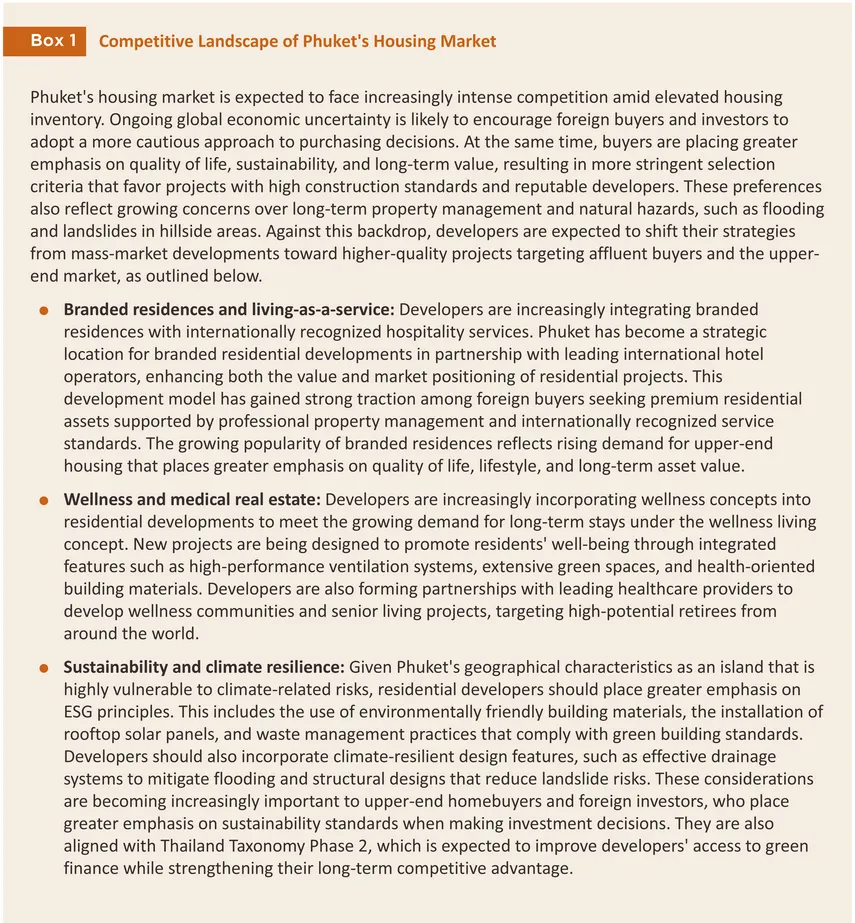
In 2026, Phuket's housing market is expected to moderate from the strong momentum seen in 2025, reflecting continued uncertainty surrounding the global and Thai economies. In particular, during the first half of the year, higher energy prices and travel costs weakened both domestic and foreign purchasing power. Looking ahead, the market is projected to continue growing during 2027–2028, supported by (i) continued public infrastructure investment that will drive urban expansion; (ii) Phuket's position as a world-class tourism destination attracting high-spending/high-value international visitors, which will strengthen housing demand; and (iii) expanding international air connectivity, the implementation of the revised city plan, and the growing number of digital nomads and workcation travelers, all of which are expected to support demand for second homes and residential investment properties for rental purposes.
Key challenges include oversupply in certain locations, which may intensify downward pressure on prices and slow market absorption, as well as weaker foreign investment demand amid continued global economic uncertainty. In addition, increasing competition from major developers and international investors is expected to intensify market competition, while rapidly rising land prices may further reduce housing affordability for local residents. Over the longer term, these trends could contribute to demographic imbalances and housing shortages for middle- and lower-income households.
Krungsri Research view
The outlook for Phuket's housing market during 2026–2028 can be summarized as follows:
-
Low-rise housing developer: Competition is expected to intensify as local developers compete with Bangkok-based developers and foreign investors, who are increasingly expanding into provincial markets to establish new sources of revenue, particularly in the upper-end housing segment. Large developers are expected to maintain competitive advantages through stronger financial capacity, broader marketing networks that effectively reach foreign buyers, and well-established brand recognition. Meanwhile, small and medium-sized developers are likely to face mounting pressure from rising development costs and tighter financial constraints.
-
High-rise housing developers: Competition is expected to become more intense, prompting developers to focus on upper-end projects with stronger growth potential, particularly in prime locations such as Kamala Beach (Kathu District) and Bang Tao–Choeng Thale (Thalang District), to attract affluent buyers and foreign investors. Large developers are expected to maintain competitive advantages through stronger financial capacity and their ability to develop branded residence projects, while small and medium-sized developers are likely to focus on low-rise condominium projects targeting the mid-market segment. Nevertheless, the market is expected to remain under pressure from oversupply in certain locations and moderating demand from foreign buyers. As a result, small and medium-sized developers with limited investment capacity are likely to face greater liquidity risks and declining profitability.
Overview
Phuket is one of Thailand's leading tourism provinces and has been recognized as one of the world's top travel destinations.1/ Its economy is strongly driven by the tourism and service sectors. This is reflected in its Gross Provincial Product (GPP), which reached THB 272.4 billion in 2024, up 23.5% from 2023, ranking first in Southern Thailand and 13th nationwide. The service sector accounted for 93.1% of the province's GPP. Meanwhile, GPP per capita reached THB 439,652, ranking fifth nationally, after Bangkok, Rayong, Chonburi, and Chachoengsao. The continued expansion of the tourism sector has generated demand for a wide range of residential properties, including owner-occupied housing, second-home purchases, investment properties, and long-term residences for foreign nationals. Consequently, Phuket's property market has continued to expand and attract strong interest from major developers. According to the Real Estate Information Center (REIC), Phuket is being developed as a Global Residential Hub to attract high-potential foreign residents from around the world for long-term stays. In 2026, the total value of newly launched residential projects is expected to reach THB 200 billion,2/ accounting for more than 70% of all new residential supply in the regional market (excluding the Bangkok Metropolitan Region (BMR)). Meanwhile, the Agency for Real Estate Affairs (AREA) estimates that Phuket is Thailand's second-largest real estate/property market after the Bangkok Metropolitan Region (BMR), with an absorption rate approximately twice as fast as that of Bangkok's prime locations.
Historically, residential development in Phuket has followed a pattern similar to that of other upcountry provinces, with developers focusing primarily on low-rise housing3/ due to relatively affordable land prices. However, since 2022, following Thailand's reopening to international tourists after the easing of the COVID-19 pandemic and amid the escalation of the Russia–Ukraine conflict, demand for residential properties in Phuket has increased significantly, particularly among high-income foreign buyers. These include individuals relocating from conflict-affected regions, second-home buyers seeking vacation properties, investors pursuing long-term rental returns, and expatriates relocating to work in Thailand. The market has also been supported by government tourism promotion measures, including visa exemption schemes and the Long-Term Resident (LTR) Visa program, which offers tax incentives to attract high-potential foreign residents. As a result, international visitor arrivals to Phuket increased to 10.7 million in 2025, up from 8.8 million in 2023 and approaching the pre-pandemic level of 10.6 million recorded in 2019.4/ This has driven a rapid expansion of luxury residential developments, including low-rise housing, pool villas, and condominiums, to accommodate growing demand. Nevertheless, one of the key challenges facing developers is the rapid increase in land prices, which have risen by an average of 10–15% per year at an accelerating rate, while beachfront land has become increasingly scarce.
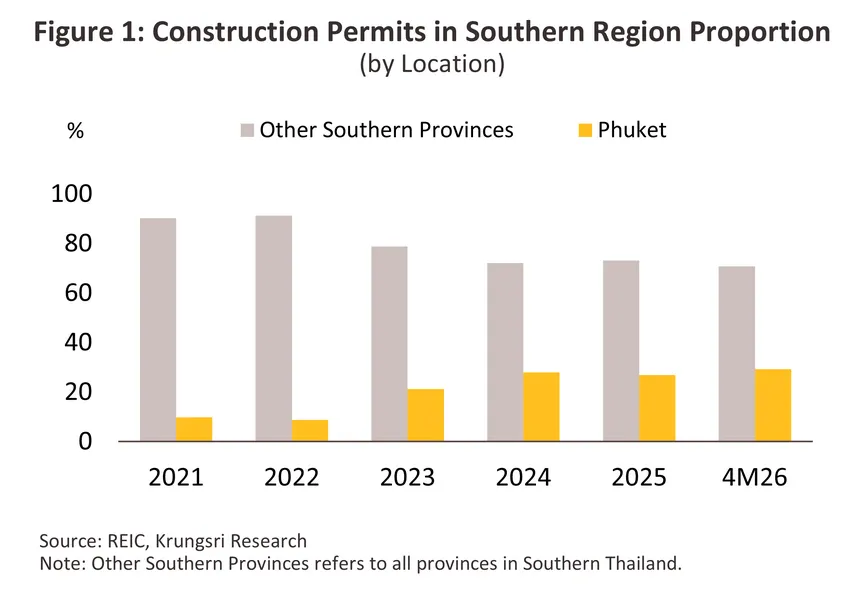
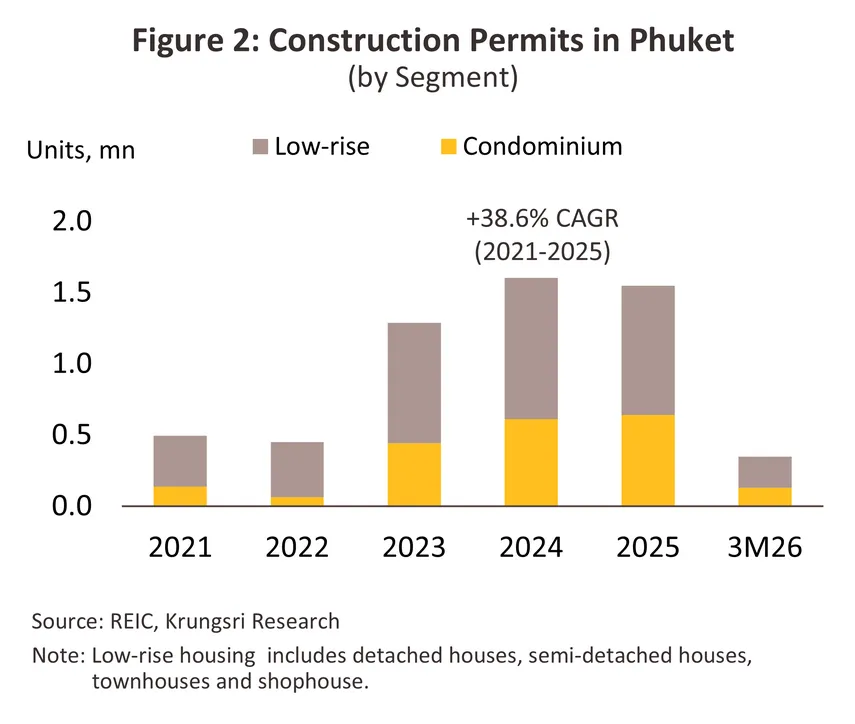
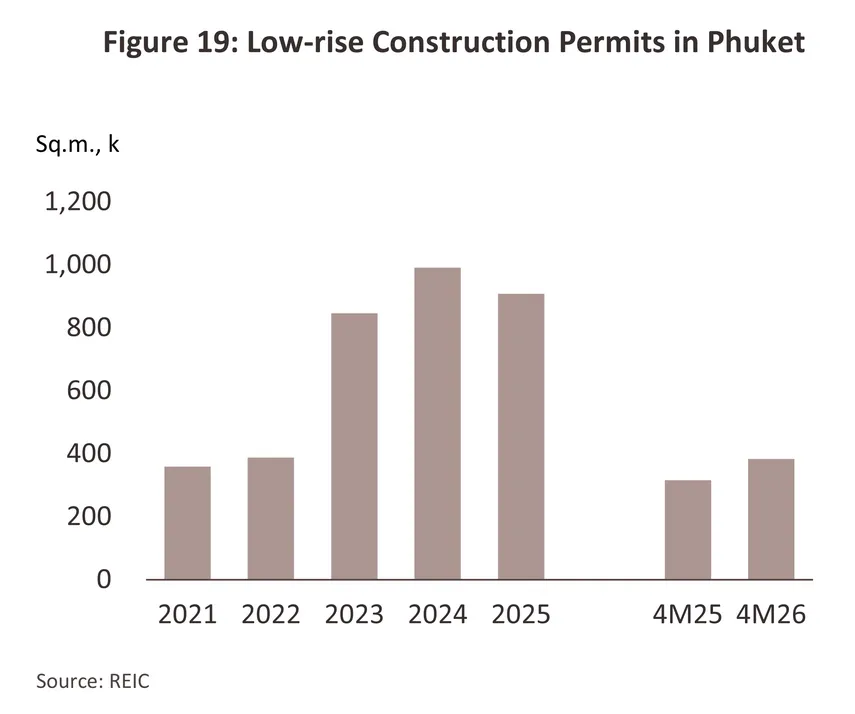
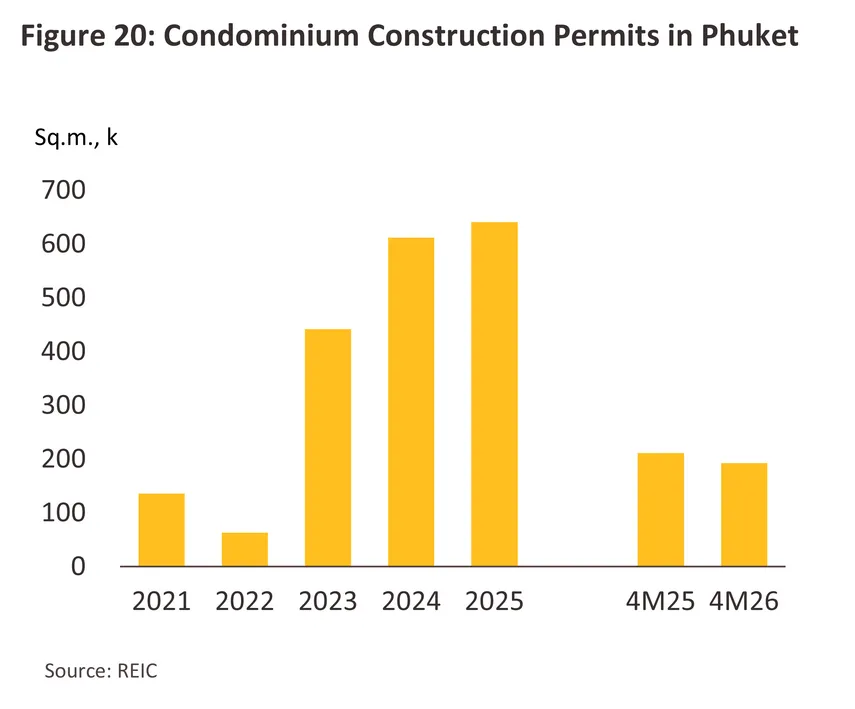
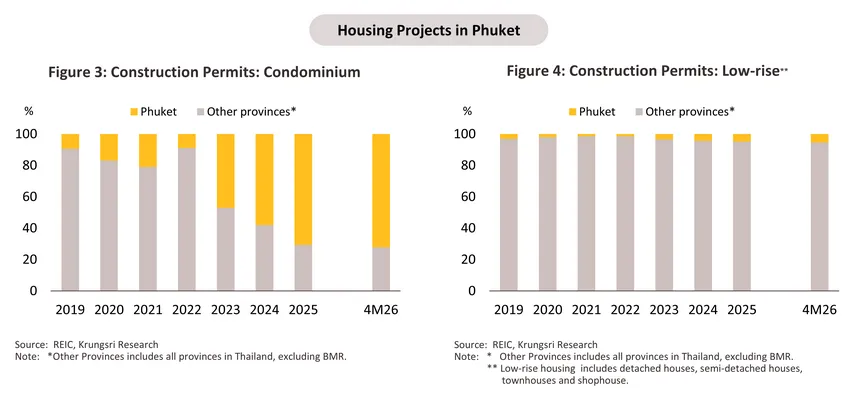
Condominium development has accelerated significantly since 2023. This is evidenced by the share of condominium construction permits in Phuket, which increased from just 9.4% of total condominium construction permits issued across upcountry provinces in 2019 to 70.5% in 2025 (Figure 3). The increase was driven primarily by a surge in housing demand from foreign buyers, particularly Russians, who have consistently ranked among the largest groups of international visitors to Phuket. Part of this demand reflects relocation from conflict-affected areas, with Russian buyers showing strong interest in luxury condominiums and high-end pool villas for both owner-occupation and investment through the rental market. Meanwhile, buyers from other markets, including China, Europe, and East Asia, have primarily invested in residential properties for use as second homes. In contrast, low-rise housing accounted for only 4.7% of total low-rise housing construction permits issued across upcountry provinces, broadly unchanged from 2019 (Figure 4). This reflects Phuket’s geographical constraints as an island, where the limited supply of developable land has driven up land prices rapidly, particularly in beachfront locations. At the same time, the focus of low-rise residential development has shifted from mid- to lower-priced housing estates toward higher-end projects, including premium pool villas and branded residences managed by internationally renowned hotel operators. These properties are regarded as Grade A assets that offer both prestige and long-term investment value, making them particularly attractive to high-income buyers and investors.
Beyond its natural attractions, which make Phuket a year-round tourism destination, the province has several structural factors supporting continued residential development. These include major transport infrastructure projects, such as the Phase 2 expansion of Phuket International Airport, which will increase passenger handling capacity from 12.5 million to 18 million passengers per year (investment value: THB 6.2 billion; expected to commence operations in 2031); the development of Phuket’s second airport (Andaman Airport) with an investment value of THB 80 billion; and the construction of the Kathu–Patong and Muang Mai–Koh Kaew expressways, with investment values of THB 14.7 billion and THB 42.6 billion, respectively, to improve north–south connectivity across the island. In addition, Phuket has plans to develop an urban mass transit system through a light rail line connecting Tha Nun Railway Station, Phuket International Airport, and Chalong Intersection. The province has also seen continued expansion of luxury-oriented infrastructure, including mixed-use developments, some of which have project values of up to THB 50 billion. In addition, Phuket is home to 19 international schools established to accommodate the growing number of expatriate families relocating to the province. The government also plans to position Phuket as a regional Medical and Wellness Hub. Collectively, these factors have strengthened Phuket’s position as a long-stay destination, supported by real housing demand from high-potential foreign buyers worldwide, and are expected to continue supporting the rapid expansion of the province’s real estate market.
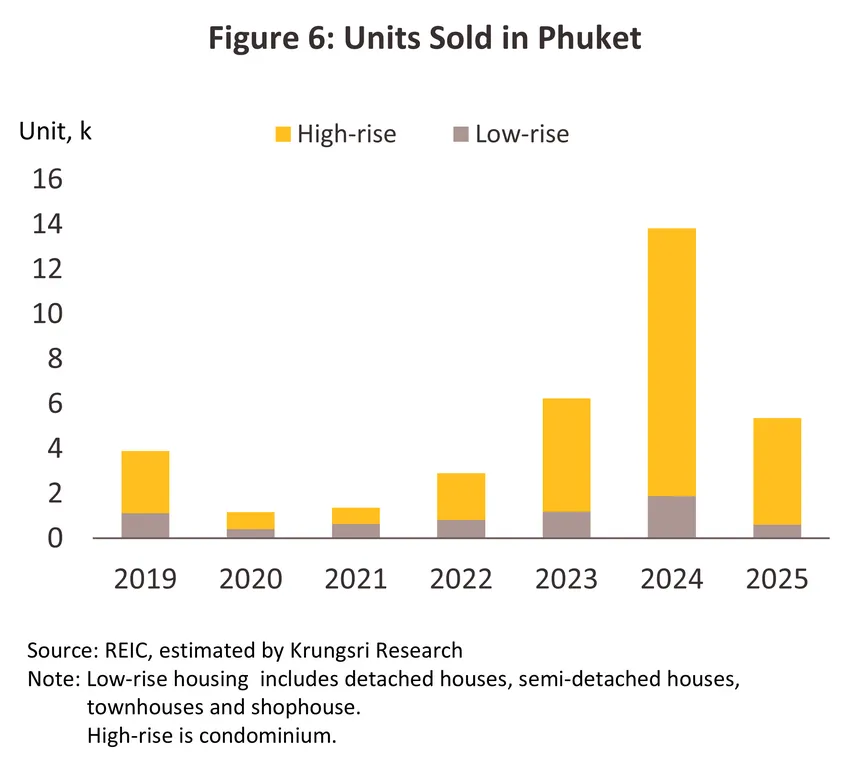
Major developers from Bangkok have continued to expand their residential investment in Phuket. During 2022–2024, newly launched condominium units recorded remarkable growth, increasing by an average of 502.5% per year, while new low-rise housing launches expanded by an average of 46.6% annually. Most new developments were concentrated in high-potential locations, including Bang Tao, Cherng Talay, and Kamala Beach. This was in line with strong growth in residential sales, which increased by an average of 116.2% per year, driven by average annual growth of 156.1% in condominium sales and 43.4% in low-rise housing sales. The condominium market has been supported primarily by strong demand from foreign buyers, who view Phuket’s residential property market as a safe-haven asset offering strong growth potential while remaining competitively priced relative to other world-class resort destinations in the region, such as Singapore and Hong Kong. Looking ahead, Phuket’s position as a world-class tourism destination is expected to further strengthen its residential property market, making it the province that will generate the highest economic value from the housing sector among Thailand’s upcountry provinces.
Situation
During 2021–2025, Phuket’s housing market recorded a total of 45,066 newly launched residential units, representing a combined investment value of more than THB 469.7 billion (Source: Colliers Thailand). The market began to recover and accelerate markedly in 2023 before reaching an exceptionally strong level in 2024, when more than 15,000 new residential units were launched, the highest level on record and an increase of 101.0% from 2023. The sharp expansion in new supply was driven by growing demand from foreign buyers seeking second homes and investment properties. Consequently, new residential sales in 2024 reached nearly 14,000 units, up 121.3% from the previous year, reflecting the substantial amount of investment capital flowing into Phuket’s real estate market.
In 2025, Phuket's housing market moderated from the exceptionally strong performance recorded in 2024 but remained resilient compared with the sluggish nationwide property market. The condominium segment continued to dominate the market, accounting for nearly 90% of both newly launched units and total residential sales. Nevertheless, the market lost some momentum due to several factors: (i) foreign purchasing power softened amid heightened uncertainty surrounding the global economy and international trade, driven by the United States' tariff measures and ongoing geopolitical conflicts in several regions. As a result, international tourist arrivals to Thailand declined by -7.6% from 2024, while arrivals to Phuket fell by -5.8%. The slowdown was particularly pronounced among Chinese tourists, whose arrivals decreased by -33.5% nationwide and -28.4% in Phuket compared with the previous year. Consequently, condominium ownership transfers to foreign buyers nationwide declined by -14.8% from 2024; (ii) domestic purchasing power remained fragile due to persistently high household debt, which stood at 86.7% of GDP (as of the end of 2025), coupled with slower economic growth than in 2024. These factors weighed on private consumption and reduced housing affordability, particularly among middle-income households. At the same time, financial institutions remained cautious in extending mortgage lending, as the credit quality of many borrowers did not meet lending requirements; and (iii) competition in Phuket's housing market intensified following the rapid launch of new residential projects over the previous two years. Against a backdrop of continued economic uncertainty, developers stepped up their marketing efforts to reduce existing housing inventory. Meanwhile, Thai buyers benefited from government stimulus measures that helped accelerate purchasing decisions, including a reduction in transfer and mortgage registration fees5/ to 0.01% for residential properties priced at no more than THB 7 million, the temporary relaxation of loan-to-value (LTV) requirements6/, and a reduction in the policy interest rate.
The housing market situation in Phuket in 2025 can be summarized as follows.
-
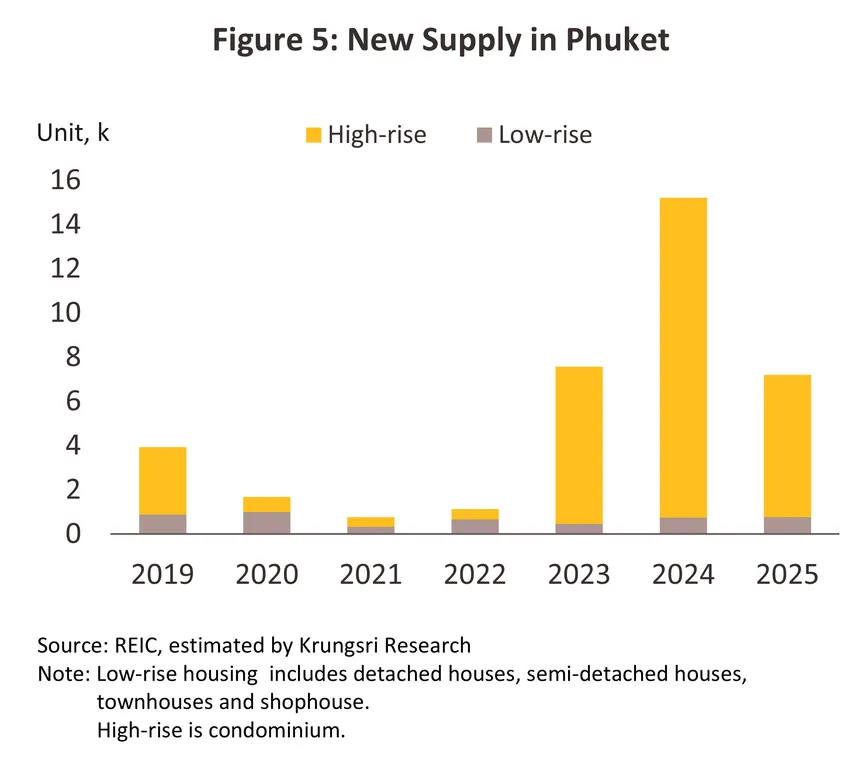
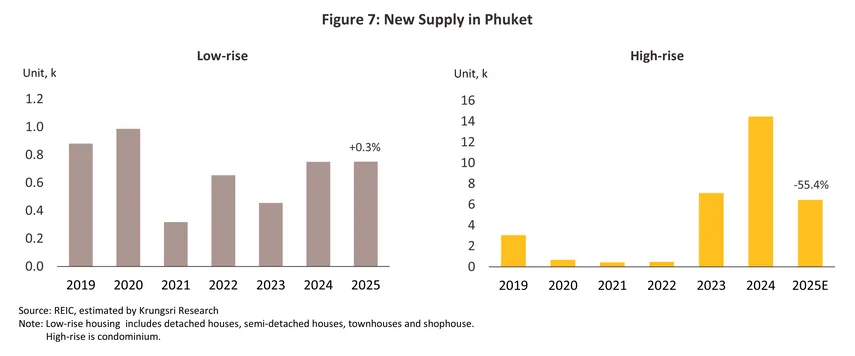
New project launches totaled 7,205 units in 2025, down -52.6% from 2024 (Figure 5). The total project value declined by -56.7% from the previous year to THB 55.2 billion. The slowdown partly reflected the substantial volume of new supply launched in 2024, which resulted in a large inventory of unsold units. Nevertheless, the number of newly launched units in 2025 remained approximately 1.8 times higher than the pre-pandemic level recorded in 2019. Condominiums accounted for 89.6% of total new launches, with 6,453 units, down -55.4% from 2024, while low-rise housing represented the remaining 10.4%, totaling 752 units, broadly unchanged (+0.3%) from the previous year (Figure 7). The moderation in purchasing power prompted developers to adopt a more cautious approach to new project launches, prioritizing the absorption of existing inventory. Most newly launched projects were concentrated in the luxury segment and located in high-potential areas such as Bang Tao Beach and Choeng Thale, where strong growth prospects are supported by established shopping destinations as well as a high concentration of luxury hotels and resorts, making these areas particularly attractive to tourists.
-
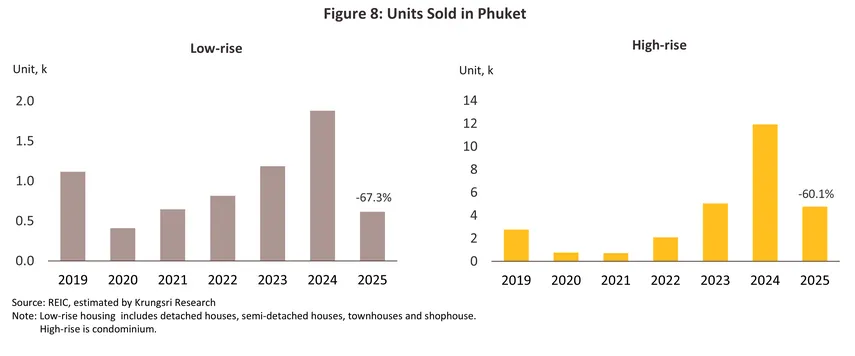
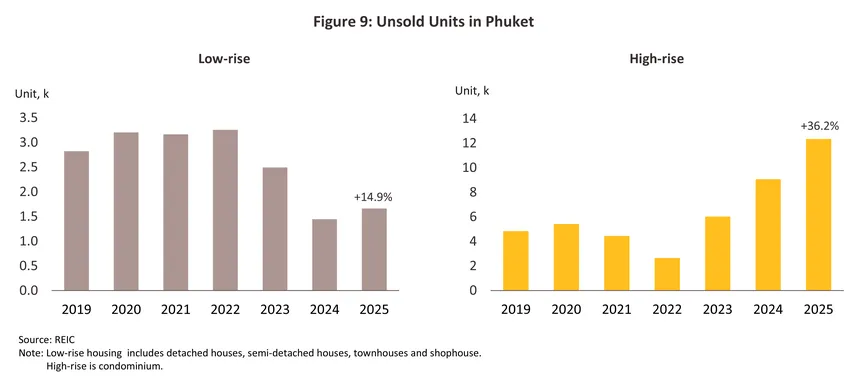
Total residential sales declined by -61.1% from 2024 to 5,374 units, representing a total sales value of approximately THB 38.3 billion, down -65.4% from the previous year. Sales of low-rise housing totaled 616 units, a decrease of -67.3% from 2024, while condominium sales fell by -60.1% to 4,758 units (Figure 8). The slowdown reflected weaker demand from some foreign buyers, who postponed purchasing decisions amid heightened economic uncertainty. In addition, part of the demand—particularly for condominiums—had already been absorbed by the strong buying activity in 2024. As a result, cumulative unsold units increased to 14,008 units, up 33.3% from 2024. This comprised 1,662 low-rise housing units, an increase of 14.9%, and 12,346 condominium units, up 36.2% (Figure 9). The total value of cumulative unsold units reached THB 193.7 billion, representing an increase of 50.3% from the previous year. This indicates that the majority of unsold inventory was concentrated in the upper-end housing segment, particularly condominiums, which accounted for THB 112.0 billion, or 57.8% of the total value of unsold inventory.
-
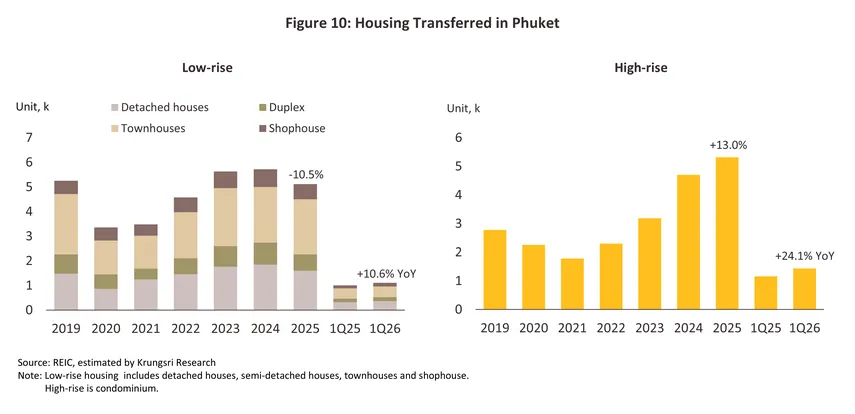
Housing ownership transfers increased marginally by 0.1% from 2024 to 10,435 units. Compared with 2024, transfers of low-rise housing declined by -10.5% to 5,118 units, accounting for 49% of total housing ownership transfers. Of these, townhouses represented the largest share (21%), followed by detached houses (15%), semi-detached houses (7%), and other housing types (6%) (Figure 10). In contrast, condominium ownership transfers increased by 13.0% to 5,317 units, accounting for 51% of total transfers. The increase was supported by government measures, including the visa exemption scheme (Free Visa) and the Destination Thailand Visa (DTV), a multiple-entry long-term visa designed for foreign nationals wishing to stay in Thailand beyond the duration of a standard tourist visa, particularly digital nomads, remote workers, freelancers, and workcation travelers. Additional support came from demand for safe-haven assets amid heightened geopolitical tensions, as well as investment demand for rental properties.
The latest data for the first quarter of 2026 indicate that housing ownership transfers continued to expand. Total transfers increased by 17.9% YoY to 2,548 units. Condominium ownership transfers rose 24.1% YoY to 1,435 units, accounting for 56% of total transfers (Figure 10), while total transfer value surged 71.2% YoY to THB 5.2 billion. Meanwhile, transfers of low-rise housing increased by 10.6% YoY to 1,113 units, accounting for the remaining 44% of total transfers. This comprised 429 townhouses (+4.1% YoY), 361 detached houses (+11.8% YoY), 169 semi-detached houses (+15.0% YoY), and 154 commercial buildings or shophouses (+24.2% YoY).
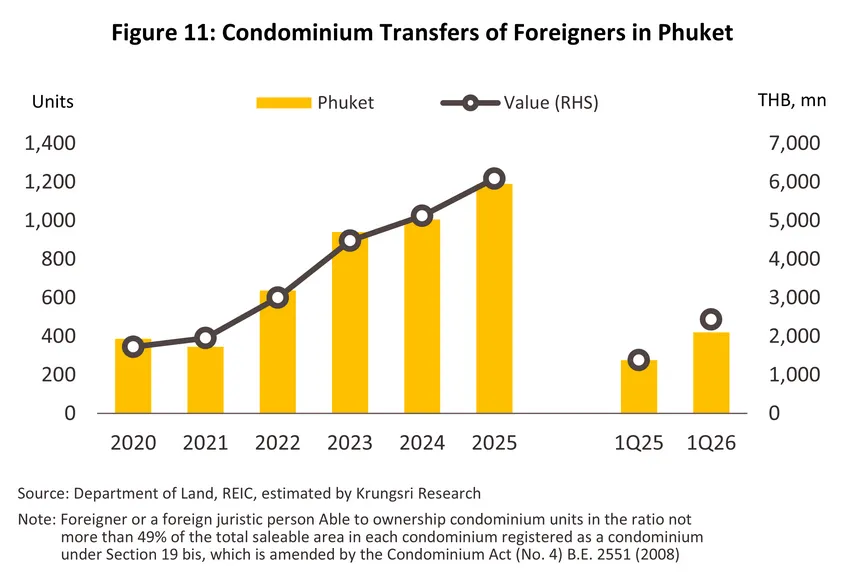
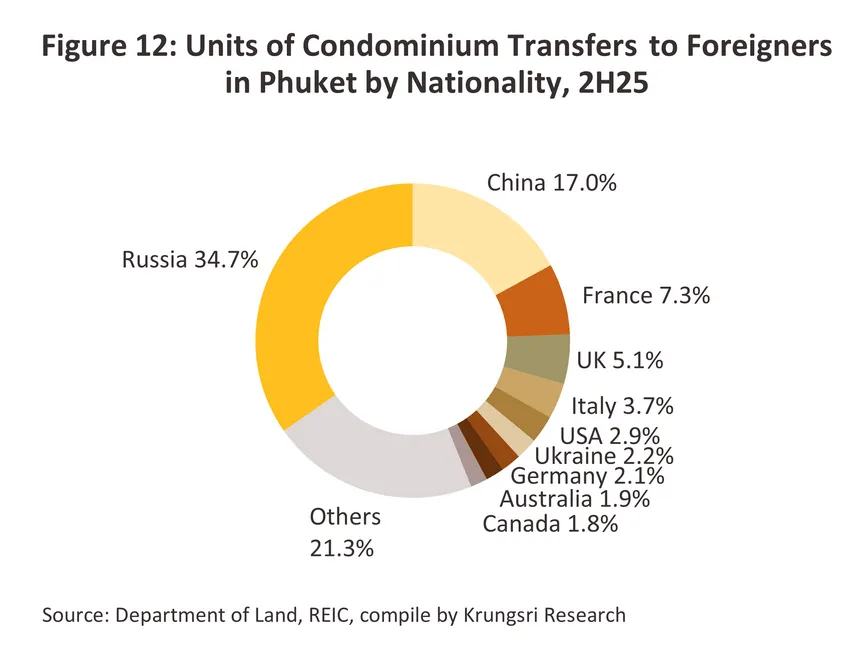
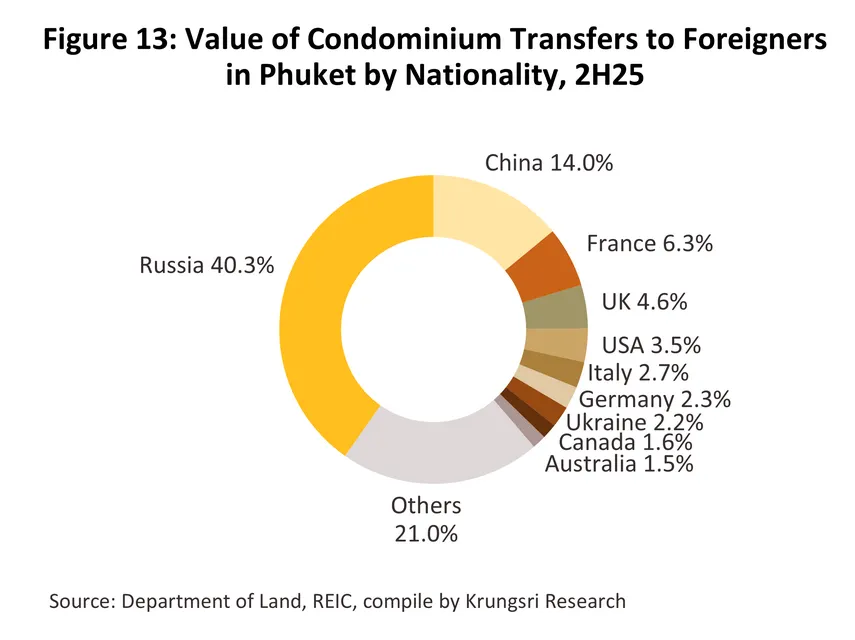
Foreign condominium ownership transfers in Phuket continued to expand, in contrast to the slowdown in foreign condominium ownership transfers nationwide. In 2025, foreign condominium ownership transfers in Phuket increased by 18.3% to 1,190 units, accounting for 82.3% of all foreign condominium ownership transfers in Southern Thailand. Meanwhile, the total transfer value rose by 18.9% to THB 6.1 billion (Figure 11). The continued growth was supported by the completion and transfer of condominium projects that had been pre-sold during 2023–2024. In addition, foreign buyers continued to view Phuket's condominium market as a safe-haven asset, offering attractive rental yields together with strong long-term capital appreciation potential. The largest groups of foreign buyers were Russians, Chinese, French, British, and Americans (Figure 13).
The latest data for the first quarter of 2026 indicate that this positive momentum continued. Foreign condominium ownership transfers increased by 52.2% YoY to 420 units (Figure 11), while the total transfer value surged by 76.2% YoY to THB 2.4 billion. As a result, Phuket accounted for 21.0% of foreign condominium ownership transfers in Thailand's upcountry market, ranking second after Chonburi (58.3%). This reflects increasing confidence of foreign buyers in Phuket's condominium market.
Villa Market in Phuket, 2025
-
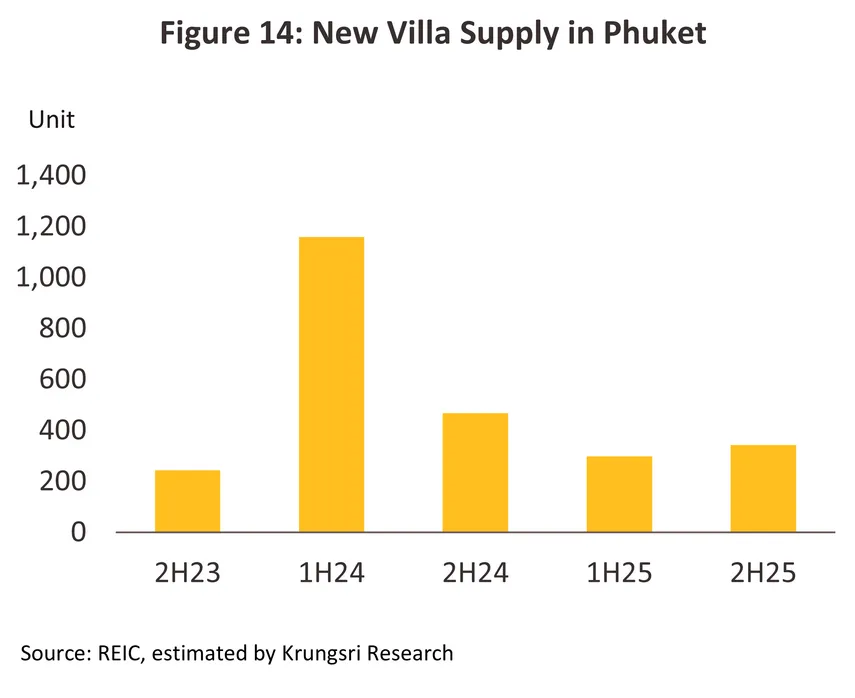
New villa launches: A total of 641 new villa units across 16 projects were launched in 2025, down -60.6% from 2024 and accounting for 8.2% of all newly launched residential units in Phuket (Figure 14). The decline reflected developers' efforts to reduce existing inventory following the substantial number of project launches in 2024, amid continued uncertainty surrounding both the global and Thai economies. Consequently, cumulative villa supply increased to 2,287 units at year-end, up 9.3%, representing 12.0% of the total residential supply in Phuket. Most newly launched villa projects were concentrated in the upper-end segment, with selling prices ranging from THB 12.9–140 million, and were located in high-potential areas such as Thep Krasattri–Sri Sunthon, Chalong–Wichit, and Bang Tao–Surin Beach. These locations were selected to target buyers with strong purchasing power. In other locations, including Ko Kaeo–Ratsada, Patong Beach, Kamala Beach, and Nai Yang–Nai Thon Beach, developers launched, on average, only one project per location. Developers increasingly focused on launching luxury pool villa projects to cater to affluent foreign buyers and high-net-worth investors with strong financial capacity, while reducing exposure to elevated mortgage rejection rates, particularly in the middle-income housing segment.
-
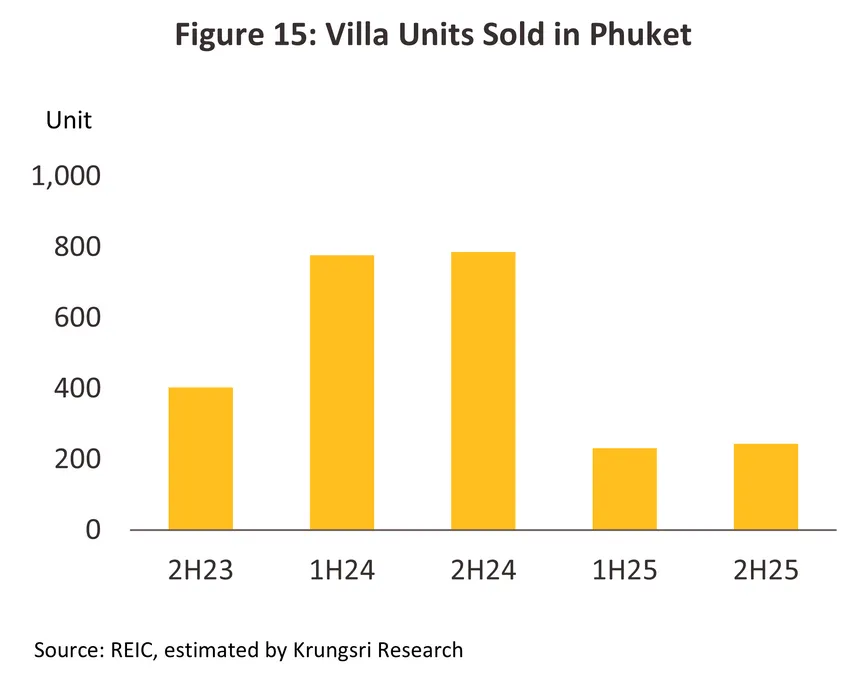
Villa sales: Sales slowed markedly, declining by -69.6% from 2024 to 475 units (Figure 15), reflecting softer demand from foreign buyers following exceptionally strong purchasing activity in the previous year. As a result, remaining villa supply increased by 56.4% to 2,043 units, accounting for 12.7% of the remaining supply across all residential property types. The increase in remaining supply, coupled with moderating demand, caused the absorption rate to decline sharply to 1.8% per month, compared with 6.3% per month in 2024. At this pace, it would take approximately 50 months to absorb the existing inventory, compared with only 10 months in the previous year. This made the villa segment the slowest-moving residential market in Phuket, requiring a longer sell-through period than condominiums (30 months) and housing estates (42 months).
Outlook
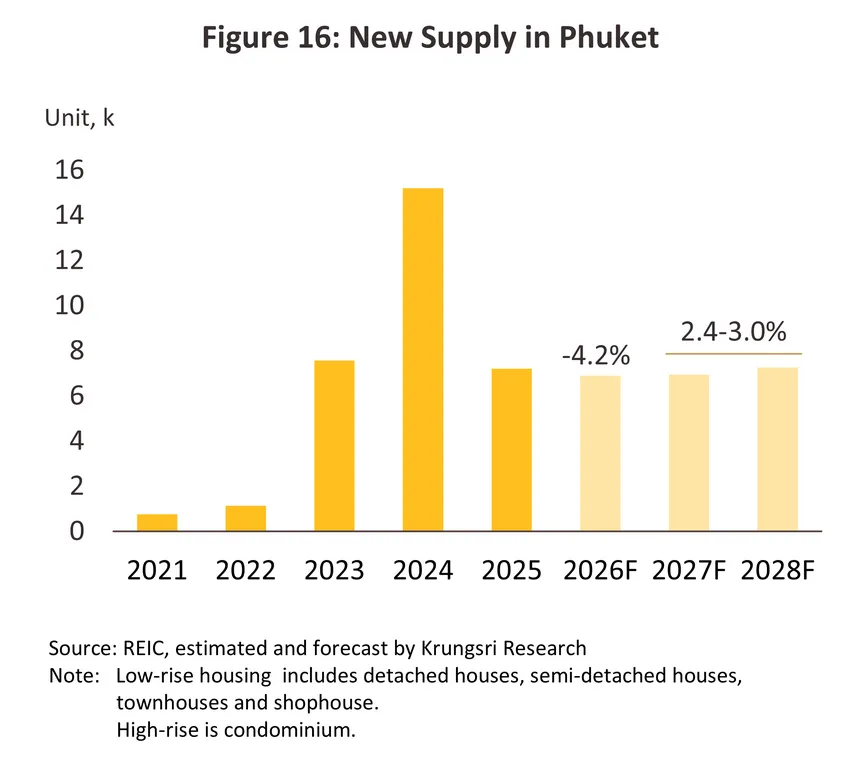
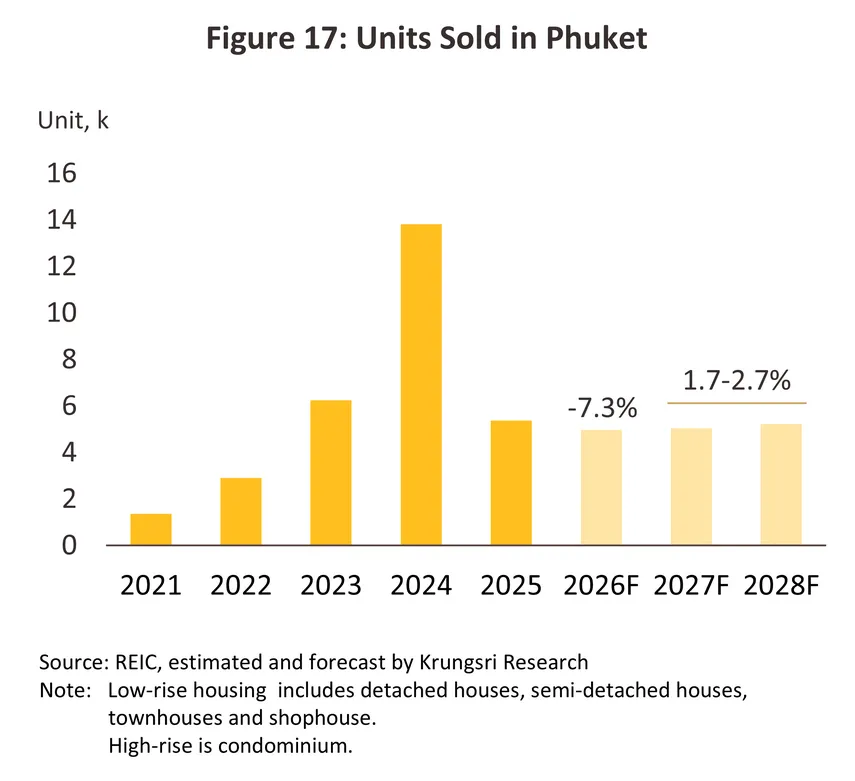
In 2026, Phuket's housing market is expected to face growth constraints stemming from the spillover effects of the Middle East conflict, particularly the tensions between the United States and Iran, which are likely to weigh on both the global and Thai economies, including Phuket's economy. The impact was most evident in the first half of 2026, when the average Dubai crude oil price increased by 27.3% YoY, driving up production costs for goods and services. Airfares on some routes also doubled, weakening the purchasing power of both domestic and foreign buyers. Against this backdrop, homebuyers are expected to become more selective, placing greater emphasis on project quality, prime locations, sound legal ownership structures, realistic rental yields, and strong resale potential. Developers are expected to adopt a more cautious approach to new project launches, focusing on reducing accumulated inventory, particularly in the luxury segment, which remains the key driver of Phuket's housing market. At the same time, developers are likely to shift toward smaller-scale luxury developments with a limited number of units, such as luxury villas priced between THB 30–50 million, as well as branded residences targeting high-end buyers, particularly foreign purchasers, whose demand is expected to strengthen in the second half of the year. Consequently, newly launched residential units are projected to decline by -4.2% (Figure 16), while residential sales (in units) are expected to decrease by -7.3% (Figure 17). Meanwhile, the mid- to lower-end housing segment is expected to recover only gradually, as domestic purchasing power remains constrained by persistently high household debt.
During 2027–2028, Phuket's housing market is expected to remain an attractive location for both domestic and international investors and continue to grow, supported by several factors.
-
Ongoing urban development and infrastructure investment are expected to strengthen Phuket's long-term growth potential. Major public infrastructure projects, including the Phase 2 expansion of Phuket International Airport, the Seaplane Terminal, the Kathu–Patong Expressway, and the Phuket International Airport–Chalong Light Rail project, are expected to improve transportation connectivity and enhance the development potential of areas along the new transport corridors. These projects are also likely to encourage residential development in the central part of the province, expanding beyond traditional coastal locations. The private sector is also expected to continue investing in large-scale landmark developments, including Laguna Lakelands (with an investment value of THB 50 billion) and Central Phuket Phase 2 (with a cumulative investment of THB 26 billion). These projects are expected to further strengthen Phuket's position as a world-class tourism destination, an international economic hub for the Andaman region, and a regional healthcare hub. Consequently, property developers are likely to continue investing in new residential projects and surrounding urban developments to support the province's long-term growth, while contributing to higher land values and enhancing the overall value of surrounding areas.
-
Phuket is expected to continue benefiting from its position as a world-class tourism destination. Lonely Planet, one of the world's leading travel publications, ranked Phuket among the 25 Best Places to Travel in 2026. In addition, Phuket has continued to outperform the national tourism market in attracting international visitors. During the first half of 2026, international tourist arrivals to Phuket reached 5.1 million, down -2.8% YoY. Meanwhile, revenue from international visitors totaled THB 240 billion, down -1.0% YoY and accounting for 28.4% of Thailand's total tourism receipts from foreign visitors, the second-highest share after Bangkok (36.5%). These figures suggest that Phuket continues to attract relatively high-spending international visitors despite some decline in arrivals. The five largest source markets were Russia, China, India, the United Kingdom, and France (Source: Tourism Authority of Thailand, Phuket Office).According to Krungsri Research, international tourist arrivals to Thailand are projected to reach 35.5 million by 2028. As one of the world's leading tourism destinations, Phuket is expected to benefit directly from stronger demand for residential properties.
-
Air connectivity is expected to continue expanding. In addition to direct flights from China, Singapore, and the Middle East, several airlines are expected to launch new domestic and international routes in 2026. These include Singapore–Phuket (Thai Lion Air), Chiang Rai–Phuket (Thai Vietjet), Penang–Phuket (AirAsia), Ho Chi Minh City–Phuket (Vietnam Airlines), and London Heathrow–Phuket (Virgin Atlantic). The expansion of air connectivity is expected to attract a more diverse mix of international visitors, thereby supporting stronger demand for residential properties in Phuket.
-
The new city plan is expected to stimulate long-term residential development. The new city plan, which is expected to come into effect in 2027, has prompted property developers to gradually acquire land in preparation for future investment, anticipating changes to the floor area ratio (FAR) regulations. The revised FAR limits will allow taller buildings to be developed in designated areas. In some locations, the maximum gross floor area will be increased to 7–8 times the land area, while in others, the permitted gross floor area will be reduced by 15–40% from the current regulations. Areas with high environmental and cultural value, such as Phuket Old Town and the Sino-Portuguese Heritage District, will continue to have more restrictive development controls, with allowable gross floor areas of 2–3 times the land area. The revised city plan is also expected to introduce changes to land-use zoning. For example, the new zoning regulations will allow buildings in red-zone areas to reach building heights of 45–60 meters (approximately 15–20 stories), compared with the current limit of 23 meters (up to seven stories). Some areas, such as Patong, may be rezoned entirely as red zones, along with certain areas in Thalang District and parts of Phuket Town. These changes are expected to create new development opportunities, particularly for condominium projects. Meanwhile, anticipation of the new city plan has encouraged large-scale developers to continue acquiring land, as land prices—especially in red-zone areas—are expected to rise further once the revised plan comes into effect.
-
The growing number of digital nomads and workcation travelers is expected to support housing demand. As one of the preferred destinations for both Thai and international remote workers, Phuket is expected to experience rising demand for flexible living arrangements and co-living spaces. This trend is also likely to increase demand for medium- to long-term residential rentals, providing additional support for the housing market, particularly in the investment segment driven by buy-to-let demand.
The aforementioned factors are expected to support continued growth in Phuket's housing market during 2027–2028. Newly launched residential units are projected to increase by an average of 2.4–3.0% per year, reaching approximately 6,940–7,260 units annually (Figure 16). Meanwhile, residential sales are expected to expand at a more moderate pace of 1.7–2.7% per year, totaling around 5,040–5,220 units annually (Figure 17). The market outlook by residential segment is summarized as follows:
-
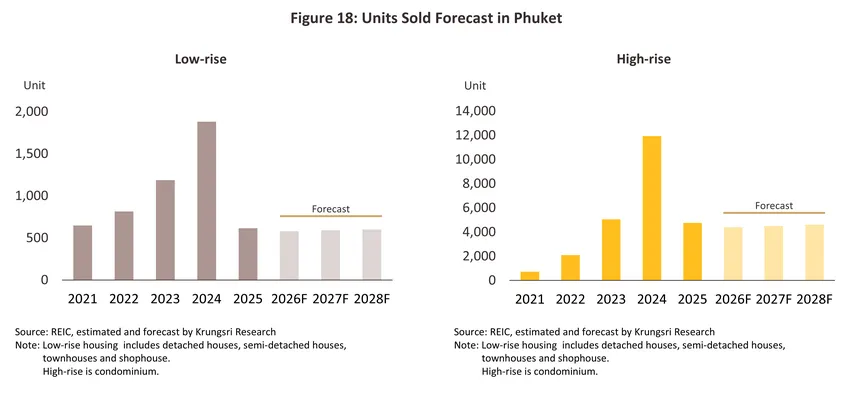
Low-rise housing: Sales are expected to grow by an average of 2.0–3.0% per year (Figure 18), supported by strengthening demand from high-income buyers, retirees, families, foreign nationals seeking long-term residence, and buyers relocating to mitigate geopolitical risks. These factors are expected to sustain demand for upper-end housing and villas, while demand from middle-income buyers is likely to recover more gradually.
-
High-rise housing (condominiums): Sales are projected to increase by an average of 1.9–2.5% per year (Figure 18). Freehold condominiums are expected to remain the preferred choice among foreign buyers for owner-occupation, rental investment, and second-home purchases. According to JFTB Luxury Estate, residential properties in Phuket currently generate rental yields averaging 5–10% per year, reinforcing their attractiveness as investment assets. Demand is expected to remain particularly strong among Russian and Chinese buyers. In addition, branded residences managed to international hotel standards are expected to gain further popularity among foreign buyers, as they offer greater lifestyle flexibility together with professional property management. According to C9 Hotelworks, Phuket has the world's largest branded residence market, with a total market value exceeding THB 80 billion, and the segment is expected to continue expanding. Projects developed as part of integrated lifestyle offerings (mixed-use developments) are also expected to be more attractive than standalone residential projects.
Developers are expected to continue shifting their strategies toward the upper-end housing market, particularly luxury homes and pool villas priced above THB 10 million, to cater to affluent and high-net-worth buyers. As a result, luxury residential supply is expected to continue expanding in high-potential locations, including Patong Beach, Samkong, Choeng Thale Soi 3, Pasak, Bang Jo, Phru Champa, and Rawai Beach. At the same time, land prices are likely to continue rising, particularly for beachfront sites where developable land has become increasingly scarce. Against this backdrop, competing through land prices to secure land for development is expected to intensify, prompting developers to expand low-rise residential projects into the central part of the island and the eastern coastline. As a result, Pa Khlok is expected to emerge as a new high-potential residential location. Developers are also expected to diversify their customer base by targeting new high-potential markets, particularly Eastern Europe, Central Asia, and the Middle East, where buyers typically have strong purchasing power, a preference for long-term residence, and growing demand for premium residential properties. This strategy is expected to broaden the customer base while reducing reliance on any single source market.
Key challenges that could constrain the growth of Phuket's housing market include: (i) oversupply in certain locations. As of the end of 2025, the total value of remaining residential inventory—including condominiums, housing estates, and villas—increased by 50.3% to THB 193.7 billion. Elevated inventory levels may intensify price competition in some areas, particularly for conventional residential projects or developments in less attractive locations, resulting in slower absorption rates and weaker investment returns; (ii) softer foreign investment demand. Continued uncertainty surrounding the global economy may prompt some foreign investors to postpone investment decisions, posing a risk to Phuket's housing market, which remains highly dependent on foreign buyers; (iii) intensifying competition. Competition is expected to become more intense as major developers and international investors continue expanding their presence in Phuket. Listed developers account for approximately 47% of the value of remaining residential inventory and generally benefit from stronger financial capacity and greater brand recognition, placing additional competitive pressure on local developers. Meanwhile, foreign investors are increasingly likely to enter the market through joint ventures or nominee structures to develop projects targeting buyers from their own countries; and (iv) rising land prices and housing affordability. Land prices are expected to continue increasing, placing further pressure on housing affordability for local residents. The continued expansion of luxury residential projects and branded residences—with villas averaging THB 44.8 million per unit—is expected to push up land prices across most locations in Phuket. Consequently, housing targeting real demand among local residents, particularly units priced below THB 3 million, is likely to become increasingly limited, as developers face difficulty maintaining project viability under rising land costs. Over the longer term, this could contribute to demographic imbalances in the housing market and increase housing affordability challenges for middle- and lower-income local households.
1/ Lonely Planet, Best in Travel 2026: 25 Best Destinations for 2026, published on 22 October 2025.
2/ Estimated by the Agency for Real Estate Affairs (AREA).
3/ Low-rise housing includes detached houses, twin houses, townhouses, and commercial buildings (shophouses).
4/ Ministry of Tourism and Sports (MOTS), Statistics on Visitors to Phuket Province (including foreign tourists, excursionists, and yacht visitors).
5/ The government has reduced registration fees for property rights and legal transactions involving residential properties to 0.01%, including (i) a reduction in the property transfer registration fee from 2.0% to 0.01%, and (ii) a reduction in the mortgage registration fee from 1.0% to 0.01%. The measure applies to both newly built and existing residential properties with a mortgage amount of not more than THB 7 million per contract. Eligible beneficiaries must be Thai individual buyers. The measure is effective from the date of its publication in the Royal Gazette until 30 June 2026.
6/ Borrowers are eligible for loan-to-value (LTV) ratios of up to 100% for (i) first homes valued at more than THB 10 million, and (ii) second homes valued at not more than THB 10 million. The measure is effective from 1 May 2025 to 30 June 2026.







.webp.aspx)