EXECUTIVE SUMMARY
Thailand’s medical device industry is expected to expand during 2026–2028, supported by demand-side factors including the country’s aging population, the growing prevalence of non-communicable diseases (NCDs), increasing interest in preventive healthcare, rising public health investment, and broader healthcare coverage, as well as supply-side support from government policies promoting investment and advancing the medical industry under the Medical Hub strategy. However, growth in 2026 will face challenges from conflicts in the Middle East, which may disrupt supply chains and increase production costs, as well as from a fragile economic environment that could constrain consumer purchasing power and healthcare spending. Medical device sales are expected to grow by 5.0–6.0% in 2026 and accelerate to 6.0–7.0% in 2027–2028. Meanwhile, production and exports are expected to contract in 2026 due to the global economic slowdown, geopolitical uncertainty, and trade policy uncertainty, before returning to average growth rates of 2.8–3.8% and 2.5–3.5%, respectively, in 2027–2028. This recovery will be supported by improving economic conditions among trading partners, manufacturers’ efforts to diversify export markets and enhance product offerings, improvements in production efficiency, and upgrades to manufacturing standards to strengthen competitiveness. Thailand will continue to play an important role as a regional manufacturing and export hub for medical consumables. Although the country remains largely dependent on imports of advanced medical devices, increasing investment in high-tech medical devices and medical device components reflects the industry’s shift toward higher value-added products in the years ahead.
Krungsri Research view
Krungsri Research assesses the industry’s outlook as follows:
-
Medical device manufacturers: Revenue is expected to grow steadily, supported by rising domestic demand for medical devices, driven by Thailand’s aging population, the growing prevalence of non-communicable diseases (NCDs), investment by public and private hospitals, as well as the expansion of specialized medical and healthcare centers. However, manufacturers continue to face challenges from intensifying competition, particularly from foreign producers and low-cost imports. Export-oriented manufacturers are also exposed to the global economic slowdown, trade policy uncertainty, and dependence on imported raw materials and high-tech components, which may put pressure on costs and profitability.
-
Medical device distributors (wholesale and retail): Revenue is expected to grow gradually, in line with rising demand for medical consumables and healthcare equipment, driven by the expansion of healthcare facilities, elderly care services, and increasing interest in preventive healthcare. However, competition remains intense due to the large number of distributors, as well as manufacturers and importers expanding direct distribution through online platforms and direct sales to healthcare facilities, resulting in greater price competition.
-
Medical device importers: Performance is expected to grow strongly, as most are large operators importing innovative and advanced medical devices for distribution to healthcare facilities. The expansion of specialized medical centers and rising demand for the treatment of more complex diseases are expected to continue supporting demand.
Overview
Thailand’s medical device industry covers both medical devices and medical equipment,1/ accounting for approximately 1.1%2/of GDP. The industry has continued to grow, driven by increases in the number of patients and elderly people, as well as the expansion of Thailand’s healthcare services sector. Medical devices and medical equipment can be classified into three categories based on their use:
1) Single-use devices3/ are products used for general medical treatment that typically involve relatively simple manufacturing technologies and are designed for single or disposable use. Examples include syringes, needles, tubing, catheters, cannulas, rubber gloves and medical gloves, dental equipment and instruments, ophthalmic equipment and instruments, and biodegradable implantable materials and tissues.
2) Durable medical devices are medical products designed for long-term use, with a useful life of at least one year. Examples include first-aid kits, wheelchairs, medical beds, and medical, surgical, and dental equipment, electrical diagnostic devices, and X-ray machines.
3) Reagents and test kits include reagents used for sample collection and preservation from the body, such as blood-typing reagents and dialysis solutions, diagnostic test kits for disease screening and surveillance, such as cardiovascular disease tests, pregnancy and HIV test kits, and food contaminant test kits.
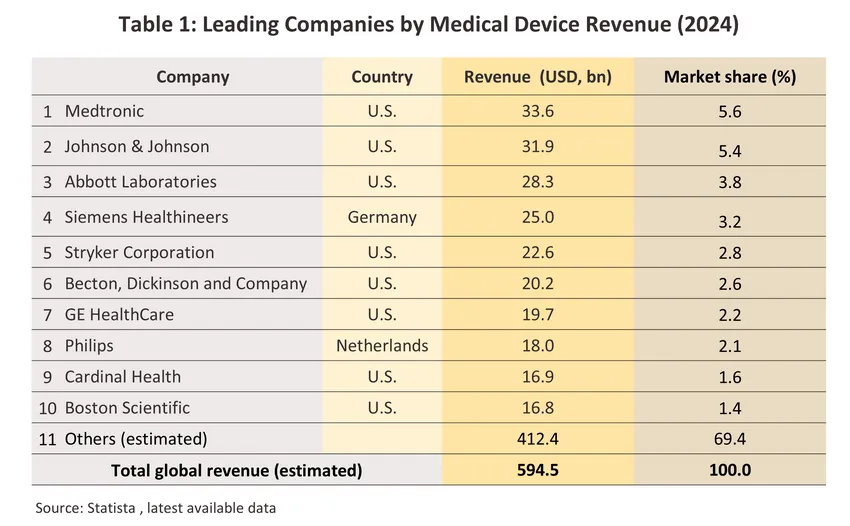
Major global medical device producers include the U.S., which is the world's largest medical device producer by sales revenue (Table 1), with manufacturing bases across various regions. Production is concentrated primarily in high-value-added products, including electromechanical medical devices, orthopedic and fracture treatment devices, X-ray devices, and dental equipment. Germany and the Netherlands are well recognized for their product quality and technological innovation, particularly Germany, which continuously upgrades its manufacturing processes through new innovations. In Asia, Japan has strong medical device manufacturing capabilities and is a globally recognized hub for advanced technology and innovation. Meanwhile, China and ASEAN countries primarily manufacture medical consumables, with China increasingly moving toward the production of more technologically advanced and higher-value-added medical devices.
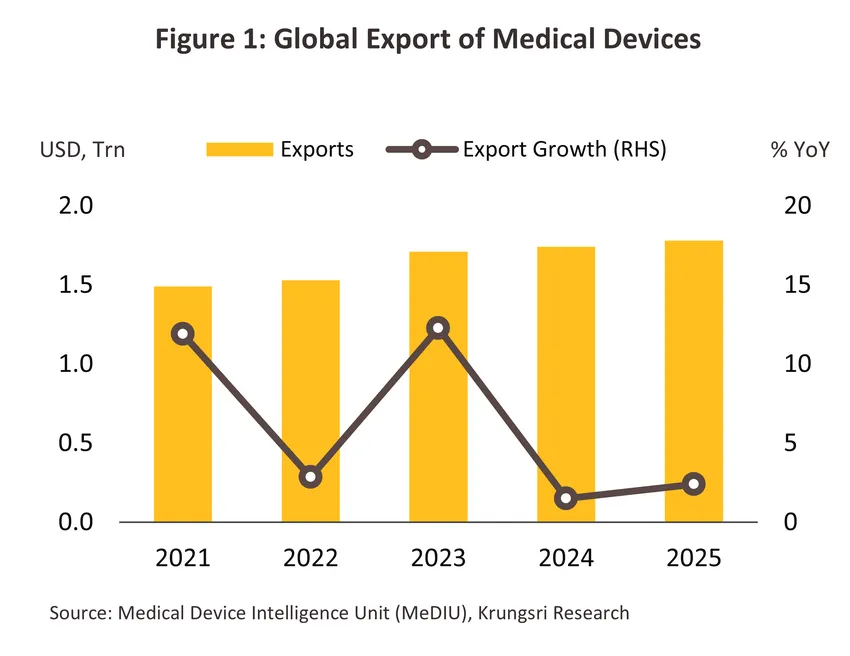
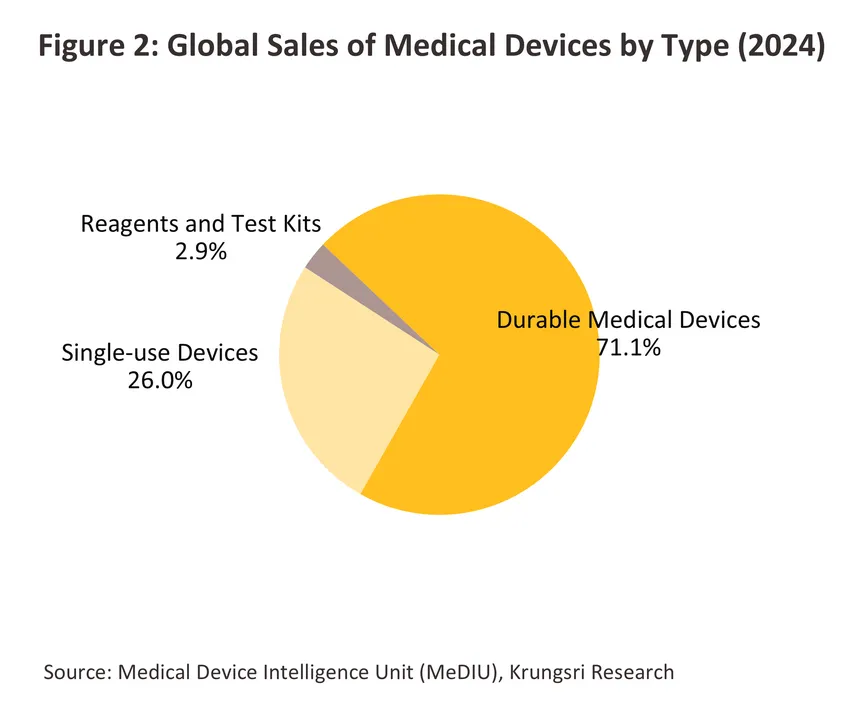
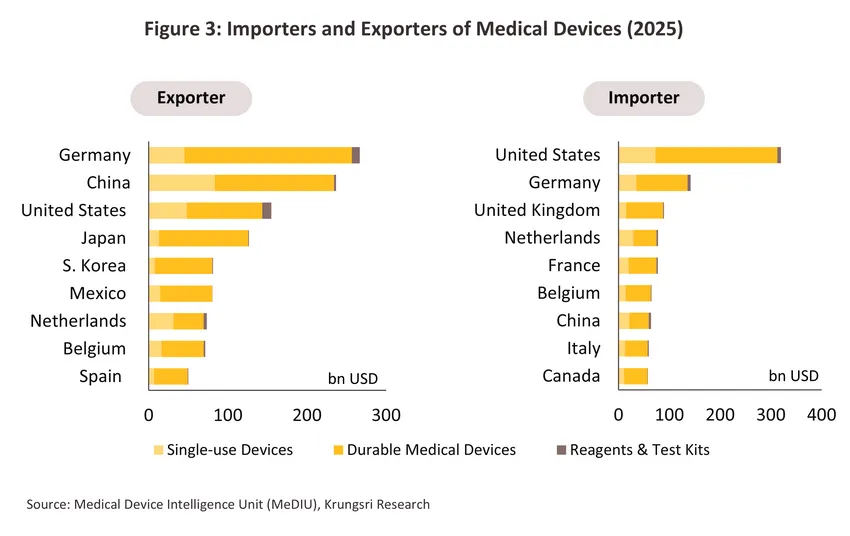
In 2025, global exports of medical devices and equipment increased by 2.4% from 2024 (Figure 1), driven by the rising elderly population, the rising prevalence of non-communicable diseases (NCDs), and the expansion of healthcare services. Durable medical devices accounted for 71.1% of global export value and grew by 2.2% (Figure 2), while single-use devices, which accounted for 26.0%, expanded by 3.2%. Reagents and test kits accounted for the remaining 2.9% and grew by 1.3%. The world’s leading medical device exporters (Figure 3) included Germany, which accounted for 14.9% of global exports, primarily in durable medical devices, followed by China (13.3%), the U.S. (8.7%), and Japan (7.1%). Together, these four countries accounted for 44.0% of global medical device exports. The U.S. was the largest medical device importer, accounting for 18.0% of global imports, with durable medical devices comprising the majority of imports, followed by Germany (8.0%), the UK (5.0%), and the Netherlands (4.4%). Thailand ranked 22nd globally in medical device exports, accounting for 1.0% of global exports, with exports concentrated primarily in medical consumables. Thailand ranked 33rd in imports, accounting for 0.6% of global imports, consisting primarily of medical consumables and durable medical devices.
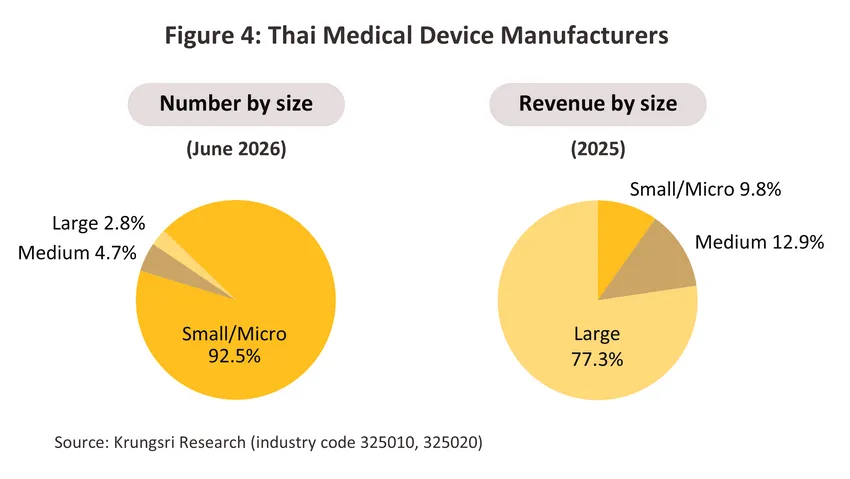
As of June 2026, there were 1,1244/ registered medical device and equipment manufacturers5/ with the Department of Business Development (DBD). Small and micro-sized manufacturers accounted for approximately 92.5% of all manufacturers but generated only 9.8% of total industry revenue in 2025. In contrast, medium and large manufacturers accounted for approximately 7.5% of manufacturers but generated a combined 90.2% of total revenue (Figure 4). Most large manufacturers are multinational corporations (MNCs) with operations in Thailand.
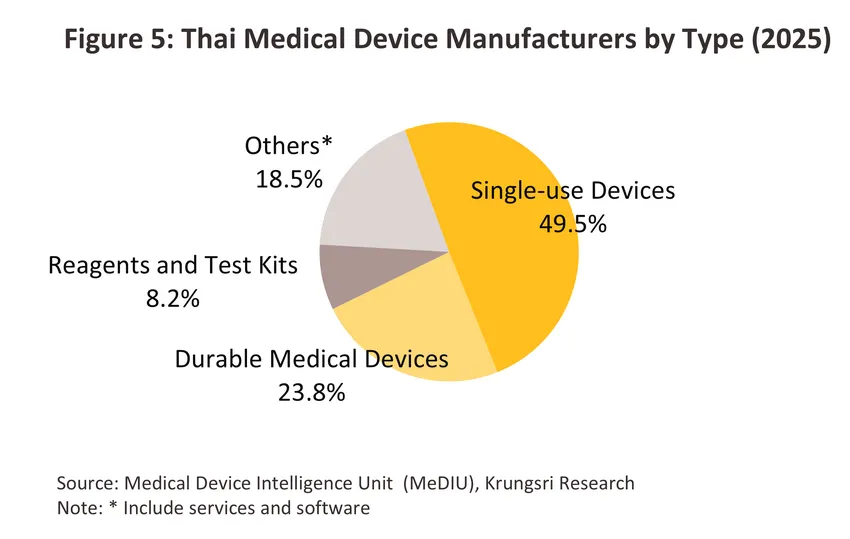
Medical devices manufactured in Thailand are generally characterized by relatively low levels of technological and innovation complexity, with production focused mainly on basic devices using locally sourced raw materials, particularly rubber and plastics. Approximately 91.9%6/ of domestic medical device production value is exported, including products such as rubber gloves and syringes, which do not require advanced technologies. In contrast, durable medical devices and reagents and diagnostic test kits require technical expertise and certification in accordance with international standards. Nevertheless, Thailand has begun developing certain advanced medical technologies, such as the Pencil Robot for elderly care. Medical device production by product category (Figure 5) can be summarized as follows:
1) Single-use medical devices: The number of manufacturers accounts for 49.5%7/ of all medical device manufacturers in Thailand. Thailand is highly competitive in the global market for rubber and medical gloves, supported by its position as a major producer of natural rubber, the key raw material, and relatively simple production technologies. Exports account for 91.1%8/ of total glove sales. Thailand also has considerable production capacity for catheters and syringes, which primarily use plastics supplied by the petrochemical industry. Major domestic manufacturers include Infus Medical (needles, injection sets, and blood transfusion sets), Shun Thai Rubber Gloves and Thai Rubber Latex (rubber gloves), and Bever Medical Industry (urinary catheters and IV sets). Multinational manufacturers include Cardinal Health and Ansell (rubber gloves), and Quasar Medical (oxygen tubing).
2) Durable medical devices: Manufacturers account for 23.8%7/ of all medical device manufacturers in Thailand. Most products manufactured and exported are patient-handling equipment, such as hospital beds, examination tables, and wheelchairs. Thailand also produces certain types of medical robots, including the Dinsaw robot.
3) Reagents and test kits: Manufacturers account for 8.2%7/ of all medical device manufacturers in Thailand, with most operating as joint ventures with foreign companies. Key products include diagnostic reagents for diabetes, kidney disease, and hepatitis, as well as pregnancy test kits and COVID-19 antigen test kits (ATKs).
4) Others (including medical device components, services, and software): Operators collectively account for 18.5%7/ of all medical device manufacturers in Thailand. Key products and services include infrared thermometers and thermal scanners, PPE, chest X-ray systems, respiratory protective masks, installation, and after-sales maintenance services.
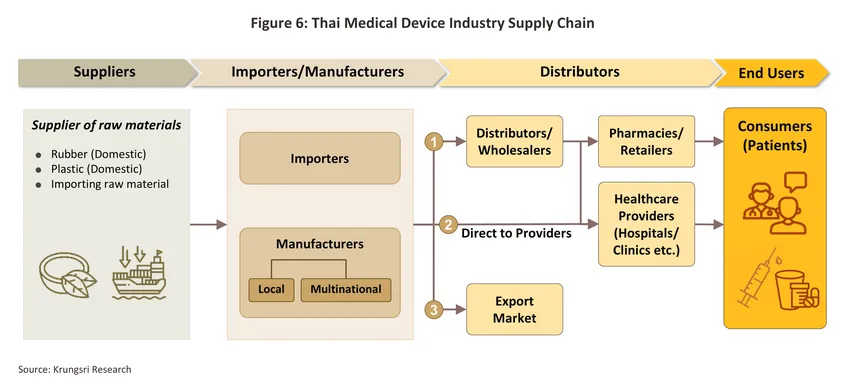
Manufacturers and importers distribute medical devices and equipment through the following channels (Figure 6):
1) Sales to distributors and retailers, including affiliated companies and general retailers, which further distribute products to target customers in the domestic market. Operators in this segment often have healthcare-related knowledge or industry experience, enabling them to access a broad range of distribution channels.
2) Direct sales to public and private hospitals and healthcare facilities. Sales to public healthcare facilities are conducted in accordance with government procurement policies through Electronic Market (e-Market) or Electronic Bidding (e-Bidding), while private hospitals procure products through their own internal procurement processes, which may involve bidding, price comparisons, or negotiations with suppliers, depending on each hospital’s procurement policies.
3) Overseas markets. Exports are concentrated mainly in single-use devices, particularly rubber gloves and medical gloves, with major export markets including the U.S., Japan, and Germany.
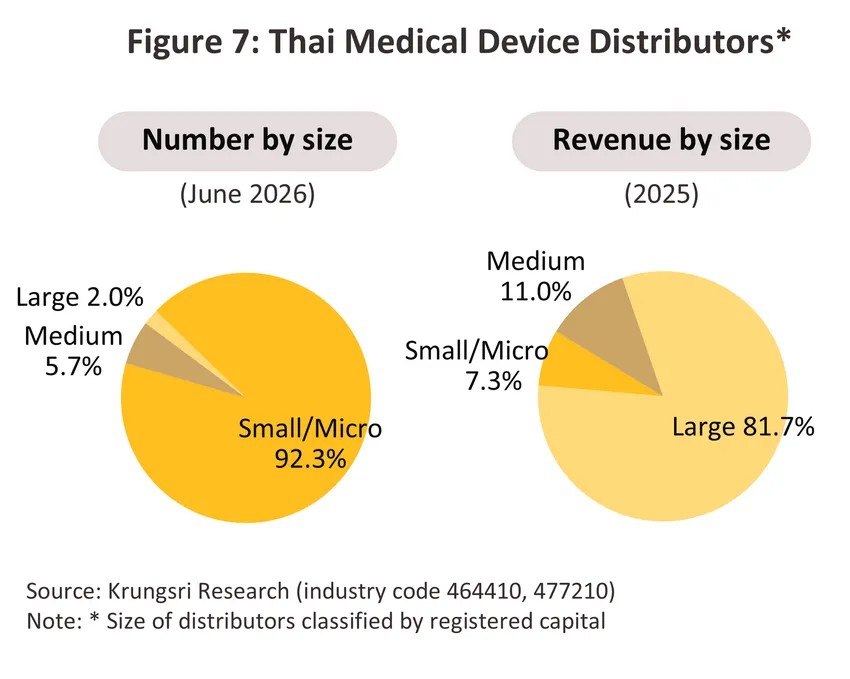
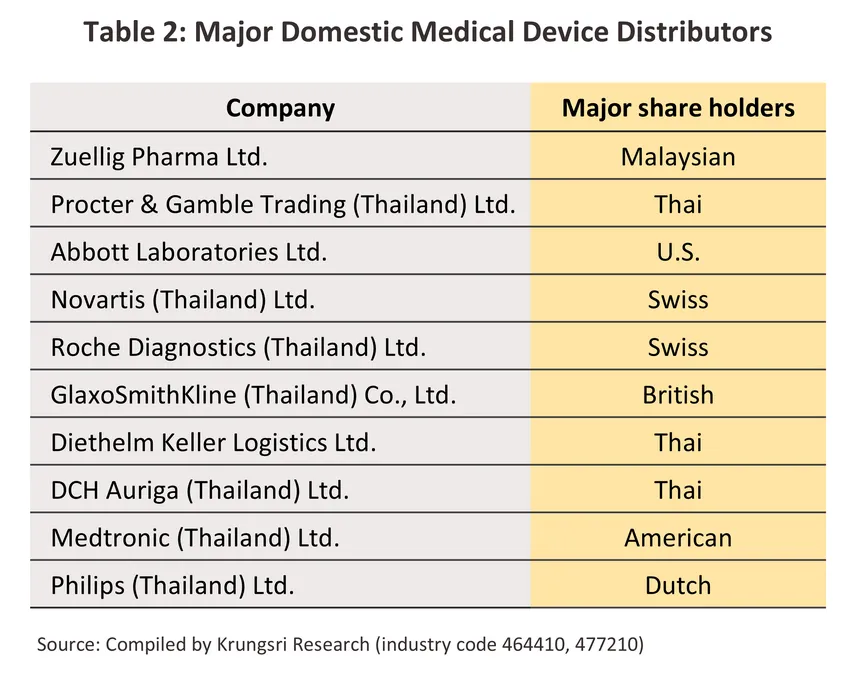
Medical device and equipment distributors operate in both wholesale and retail markets, with intense competition due to the large number of operators, totaling 14,993 firms. 9/ As products are generally similar, customers can easily switch to alternative distributors. Small and micro-sized enterprises account for approximately 92.2% of all distributors, reflecting the relatively low barrier to entry, as registration as a medical device distributor in Thailand is relatively straightforward. However, these operators accounted for only 7.3% of total industry revenue in 2025. In contrast, medium- and large-sized operators accounted for just 7.7% of all distributors but generated a combined 92.7% of industry revenue (Figure 7), indicating a high concentration of revenue among larger players. Major operators include Zuellig Pharma, Procter & Gamble Trading (Thailand), and Abbott Laboratories (Table 2).
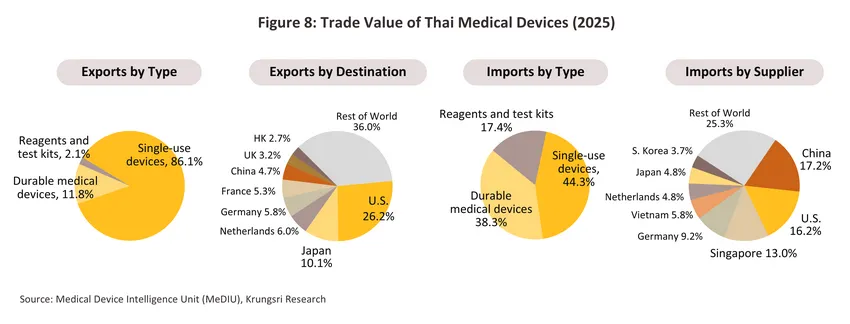
Thailand’s medical device exports are concentrated in single-use devices, which accounted for approximately 86.1% of total export value in 2025, including rubber and medical gloves, catheters, tubes and syringes, and wound care products. Major export markets were the U.S., Japan, the Netherlands, Germany, and France, which together accounted for 53.4% of total medical device export value. Most manufacturers and exporters are multinational corporations (MNCs), particularly from Japan, the U.S., and France, which have invested in Thailand as a production and export base for regional markets. Medical device imports are concentrated in single-use devices and technology-intensive durable medical devices, which together accounted for 82.6% of total import value in 2025. Key imported products include ultrasound equipment, X-ray equipment, electrocardiographs, electrodiagnostic equipment, ophthalmic equipment, and diagnostic and therapeutic radiation devices. Major import sources were China, the U.S., Singapore, Germany, and Vietnam (Figure 8).
Situation
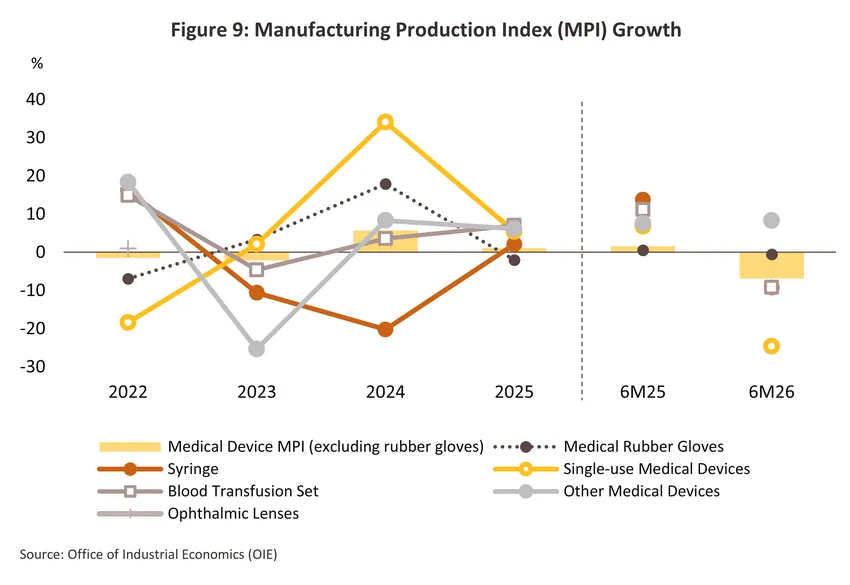
Medical device production continued to expand in 2025, with the Medical Device Manufacturing Production Index (MPI) rising by an average of 1.1% (Figure 9). Growth was driven by increased production of blood transfusion and IV sets (+7.0%), syringes (+2.1%), single-use medical devices such as masks, caps, and gowns (+5.4%), and other medical devices (+6.1%). The expansion was supported by stronger domestic and export demand, cost advantages from Thailand’s domestic petrochemical and plastics supply chains, government investment incentives, and continued technology investment to upgrade production systems to international standards. In contrast, the production index for medical rubber gloves declined by -2.0%, amid intensifying global price competition. Chinese manufacturers accelerated their expansion into markets outside the U.S. in response to U.S. tariff measures. Flooding in southern Thailand also temporarily disrupted natural rubber supplies and the production chains of some manufacturers.
In the first half of 2026, medical device production contracted, with the Medical Device Manufacturing Production Index (MPI) declining by an average of -6.9% YoY. Production fell across blood transfusion and IV sets (-9.2% YoY), syringes (-9.2% YoY), single-use medical devices such as masks, caps, and gowns (-24.6% YoY), and ophthalmic lenses (-5.1% YoY). The decline was partly attributable to conflicts in the Middle East, which increased raw material and transportation costs, prompting manufacturers to adopt more cautious production planning, with some manufacturers postponing production. Meanwhile, medical rubber glove production declined slightly by -0.5% YoY, in line with slower orders amid weak economic conditions and rising living costs. Overseas markets also continued to face intense price competition, prompting manufacturers to control production volumes to prevent inventory accumulation and mitigate cost-related risks.
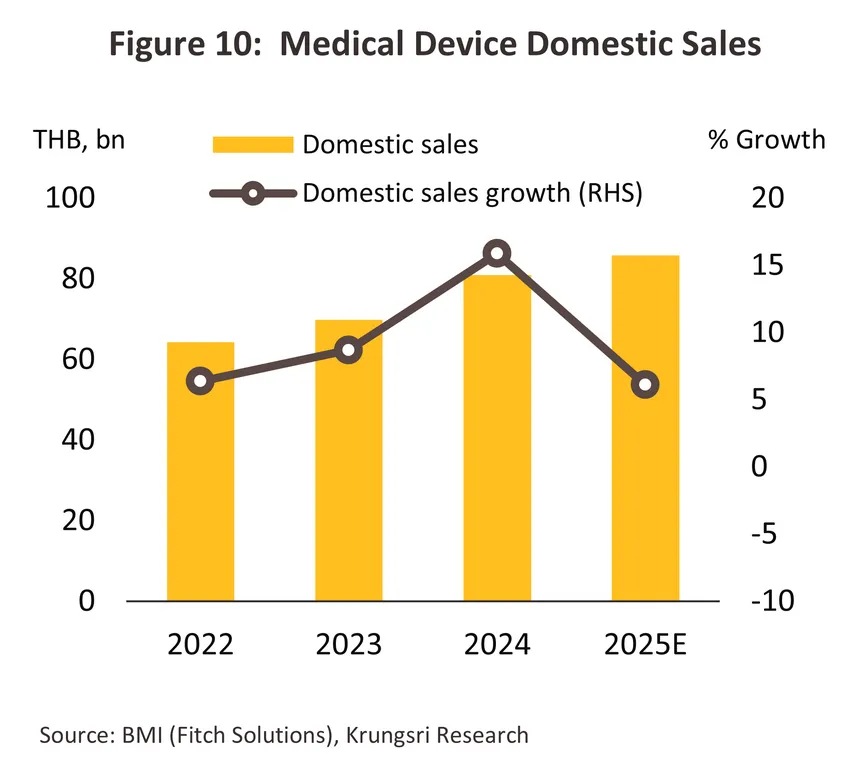
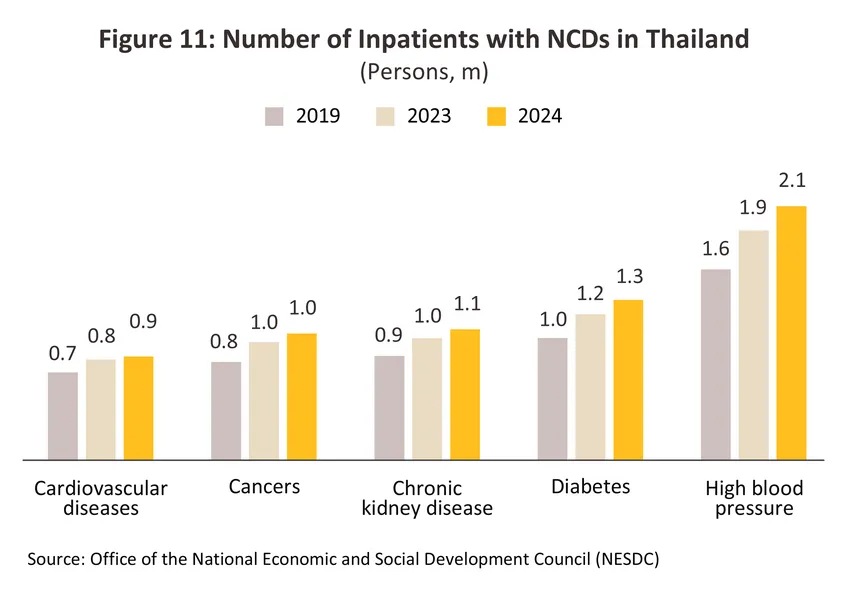
Domestic medical device demand continued to expand in 2025, with medical device sales increasing by 6.1% from 202410/ (Figure 10), although growth slowed compared with 2024, in line with economic conditions and private consumption. By product category, medical consumables grew by 6.4%, supported by the expansion of healthcare services and rising demand for hygiene-related products, consistent with the continued increase in hospital admissions for general illnesses.11/ Diagnostic imaging equipment, including X-ray, MRI, ultrasound, and CT scan equipment, grew by 6.0%, driven by investment in healthcare service capacity and the expansion of specialty services to support more complex treatments, in line with the rising prevalence of non-communicable diseases (NCDs) (Figure 11). Dental equipment grew by 6.4%, supported by the expansion of dental tourism and dental service networks under the Universal Coverage scheme, which improved access to dental care and supported investment in dental equipment. Orthopedic devices and prosthetics recorded the strongest growth at 7.9%, driven by Thailand’s aging population and the resulting increase in patients with bone and joint disorders, which boosted demand for orthopedic devices and prosthetics.
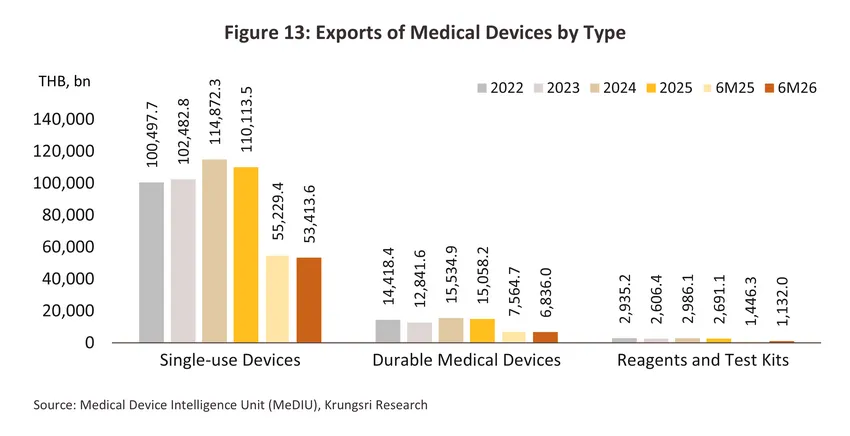
Thailand’s medical device exports contracted in 2025, with export value totaling THB 130 billion, down -4.1% from 202412/ (Figures 12–13). Single-use devices, which accounted for 86.1% of total medical device exports, declined by -4.1%, amid intense competition from major producers such as China and Malaysia. In particular, medical rubber gloves, accounting for 21.7% of total medical device exports, recorded a -14.2% decline, due to weaker import demand in markets such as the Netherlands (-46.9%), Brazil (-33.0%), and Japan (-30.5%). Durable medical devices, accounting for 11.8% of exports, contracted by -3.1%, driven by declines in products such as Electro Mechanical Medical Devices and Diagnostic and Therapeutic Radiation Devices,13/ amid continued uncertainty in the global economy and slower imports by trading partners following accelerated investment in the previous year. Meanwhile, reagents and test kits, accounting for 2.1% of exports, declined by -9.9%, due to weaker demand in markets such as China (-14.0%), Tanzania (-17.9%), and South Africa (-35.8%). The decline reflected lower demand for diagnostic test kits following the easing of the global COVID-19 outbreak, together with increased domestic production capacity, particularly in China, which reduced demand for imports from Thailand.
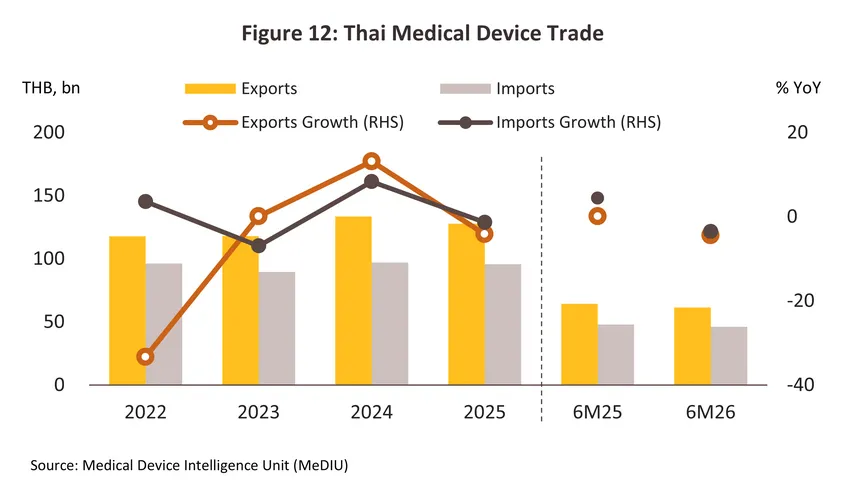
Thailand’s medical device imports contracted in 2025, with import value totaling THB 96 billion,12/ down -1.4% from 2024 (Figures 12 and 14). Single-use devices, accounting for 44.3% of imports, grew by 1.5%, supported by expanding healthcare services and rising demand for hygiene-related products. Durable medical devices, accounting for 38.3%, declined by -1.0% as purchases of high-value equipment slowed following accelerated investment in the previous year. Reagents and test kits, accounting for 17.4%, contracted by -8.5%, reflecting lower demand for COVID-19 test kits as the market normalized. Key products with declining imports included Electro Mechanical Medical Devices and In Vitro Diagnostic Devices (IVD).
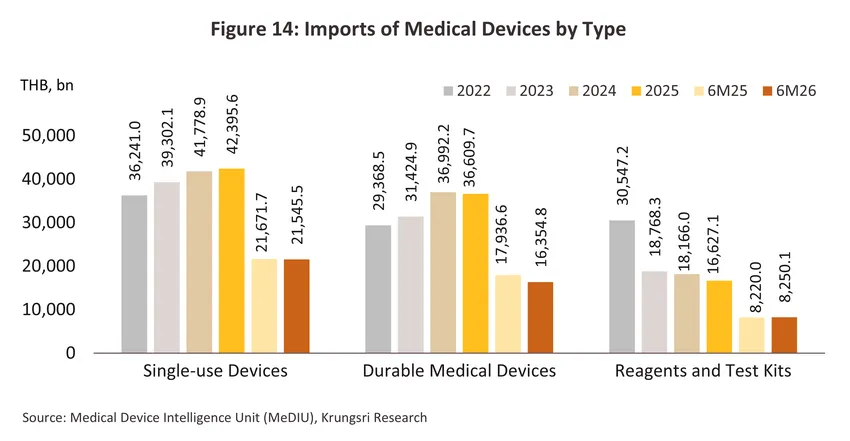
In the first half of 2026, Thailand’s medical device exports declined by -4.5% YoY, with single-use devices (87.0% of total exports) down -3.3%, durable medical devices (11.1%) down -9.6%, and reagents and test kits (1.8%) down -21.7%. Key headwinds included (i) intense price competition from major producers such as China and Malaysia, particularly in single-use devices, (ii) the impact of the Middle East conflict, which weakened global purchasing power and caused periodic logistics disruptions, (iii) front-loading ahead of anticipated changes in U.S. tariff policy, and (iv) China’s government procurement policies favoring domestically produced medical devices. Medical device imports declined by -3.5% YoY, with single-use devices (46.7% of total imports) down -0.6% and durable medical devices (35.4%) down -8.8%, reflecting (i) weaker investment amid economic uncertainty and the previous period’s front-loaded investment, and (ii) improved inventory management that reduced overseas orders. In contrast, reagents and test kits (17.8%) grew by 0.4%, supported by rising demand for disease diagnosis and screening amid Thailand’s aging population and increasing NCD prevalence.
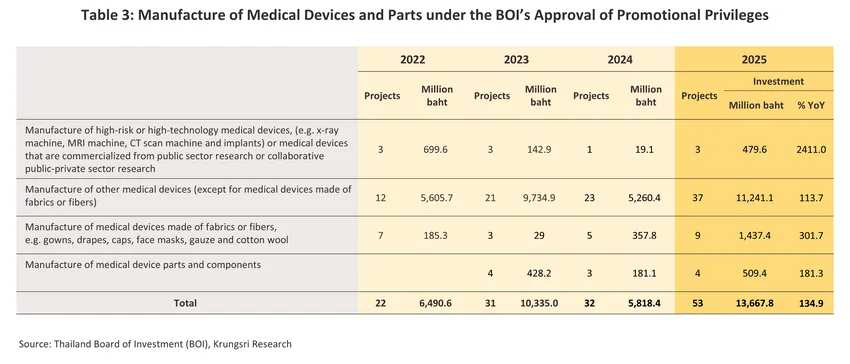
Investment in Thailand’s medical device industry increased significantly in 2025, with 53 investment promotion projects approved, representing a total investment value of THB 13,667.8 million, up 134.9% from THB 5,818.4 million in 2024 (Table 3). The increase reflected a recovery in investment interest, supported by rising demand from hospitals investing in more advanced medical technologies amid increasing emphasis on preventive healthcare, as well as continued government support for medical devices as a strategic target industry. Key investment categories were as follows: (1) High-risk or high-technology medical devices accounted for 3.5% of total approved investment value, with investment surging 2,411.0%, reflecting a shift toward more advanced and higher-value-added medical devices. (2) Other medical devices accounted for 82.2%, with investment increasing by 113.7%, reflecting continued investment in general medical devices and single-use devices to serve domestic and export markets. (3) Medical devices made of fabrics or fibers accounted for 10.5%, with investment increasing by 301.7%, driven by continued investment in face masks, gowns, surgical drapes, and wound dressings, supported by Thailand’s established textile and non-woven fabric supply chains. (4) Medical device parts and components accounted for 3.7%, with investment increasing by 181.3%, reflecting greater upstream investment to support industry expansion and strengthen Thailand’s position within the medical device supply chain. Key investments included catheter components, medical plastic components, and parts for single-use medical devices, leveraging existing capabilities in the plastics, rubber, and medical materials industries.
Outlook
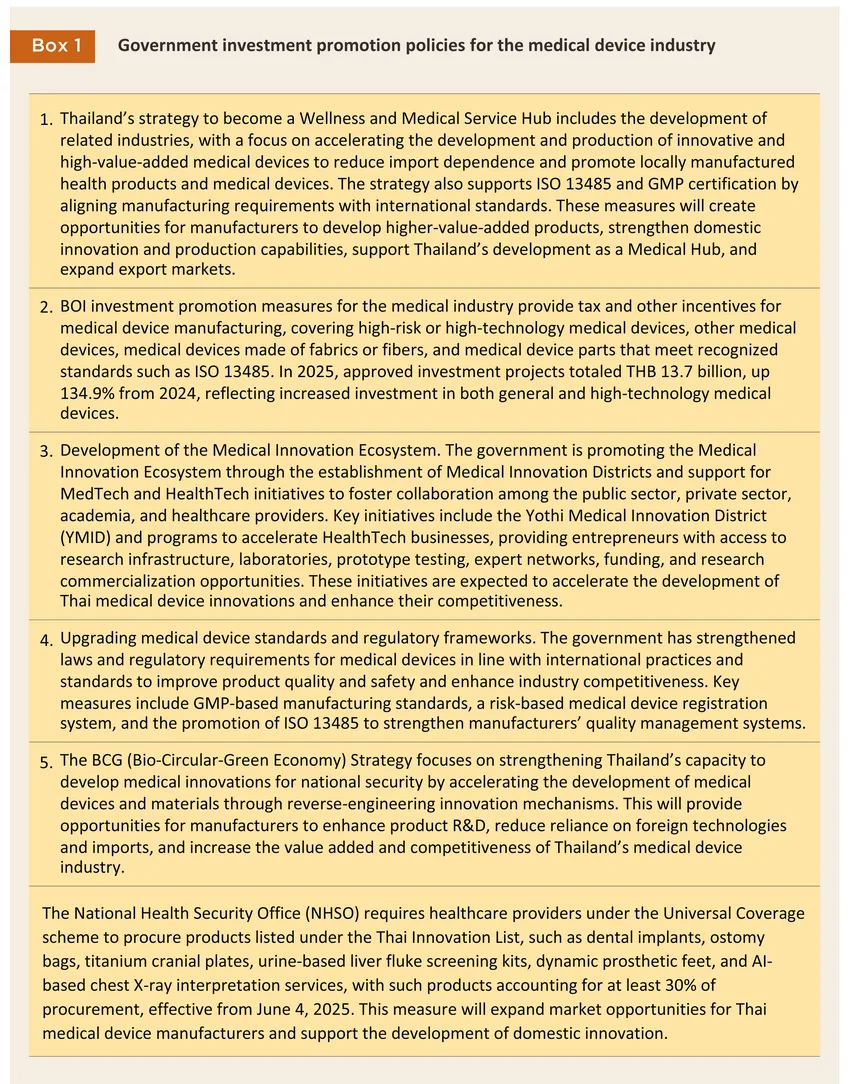
In 2026, medical device production volume is expected to contract by -2.0% to -3.0% (Figure 15), as manufacturers adopt more cautious production planning and postpone some production amid higher raw material costs, weaker purchasing power, and cautious purchasing by hospitals. Overseas markets also remain under pressure from intense price competition, particularly from major producers such as China and Malaysia, while the prolonged Middle East conflict continues to create logistics risks and uncertainty in international trade. These factors are prompting manufacturers to focus on inventory clearance while market conditions remain uncertain and difficult to predict. However, medical rubber glove production is expected to grow by 1.0–2.0%, supported by restocking orders from major export markets such as the U.S., Japan, and Europe, following inventory drawdowns in the previous period. Overall, production is expected to recover in the second half of 2026, despite a -0.5% YoY contraction in the first half. In 2027–2028, medical device and medical rubber glove production is expected to grow by 2.8–3.8% and 3.0–4.0% per year, respectively (Figure 15). Growth will be supported by (i) the gradual economic recovery and stronger purchasing power, which will support greater use of hospital services and disease-prevention products, thereby increasing demand for medical devices and related supplies, (ii) the continued expansion of healthcare services, including private hospitals, specialty clinics, elderly care centers, and medical and wellness tourism, which will support investment in medical equipment and related products, and (iii) government investment promotion policies (Box 1) aimed at strengthening domestic medical device production, particularly advanced medical devices. These factors are expected to support capacity expansion, encourage investment in higher-value-added products, and strengthen Thailand’s competitiveness in the medical device industry.
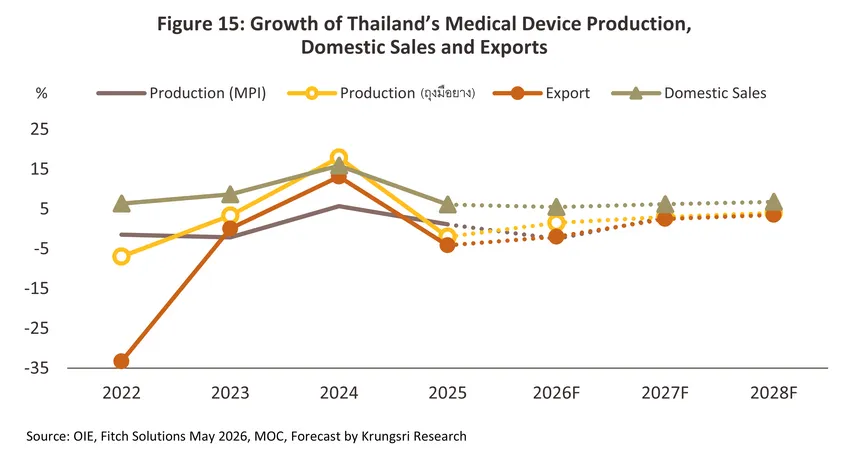
Domestic medical device demand is expected to continue growing in 2026, with the value of domestic medical device sales projected to increase by 5.0–6.0%. Growth will be supported by (i) the rising number of patients with non-communicable diseases (NCDs), which will drive demand for medical devices used for disease diagnosis, monitoring, and treatment, (ii) the growing elderly population, which will increase demand for rehabilitation devices, health monitoring equipment, and long-term care services, and (iii) the growing focus on preventive healthcare, which will support demand for disease screening and prevention devices. However, growth is expected to slow slightly from 6.1% in 2025, due to (i) weaker economic conditions and weaker purchasing power, which are making consumers more cautious about spending and may lead them to postpone non-essential medical treatment, and (ii) a slowdown in foreign patients’ travel to Thailand for medical treatment, particularly from the Middle East, a key market for Thailand’s hospital sector, due to concerns over travel safety and higher travel costs. In 2027–2028, domestic medical device sales are expected to grow by 6.0–7.0% per year, supported by the gradual recovery in economic conditions and purchasing power, which will encourage stronger demand for healthcare services and support higher utilization of medical devices. Growth will also be underpinned by several structural factors, as follows:
-
Growth of the elderly population. Thailand’s elderly population continues to increase and is expected to enter a “super-aged society” by 2034, when people aged 60 and over are projected to account for more than 28% of the total population.14/ The growing elderly population will support demand for medical devices used for diagnosis and treatment, as well as AgeTech solutions for home healthcare. In addition, increasing life expectancy among the Thai population15/ is expected to extend the duration of medical treatment and healthcare needs, supporting continued growth in demand for medical devices.
-
Rising prevalence of non-communicable diseases (NCDs). The number of NCD patients in Thailand continues to increase, particularly those with hypertension, which increases by approximately 200,000 cases per year, and diabetes, which increases by around 100,000–200,000 cases per year, as well as chronic kidney disease, cancer, and cardiovascular diseases. This trend will support demand for medical devices used for diagnosis and treatment. Air pollution,16/ communicable diseases requiring surveillance, emerging and re-emerging infectious diseases,17/ and climate-related health risks will also support demand for medical devices.
-
Growth of medical and wellness tourism. Despite a potential slowdown in 2026 due to the Middle East conflict, medical and wellness tourism is expected to continue expanding over the medium term. Thailand’s competitive healthcare standards and treatment costs will support its position as a destination for foreign patients. Grand View Research estimates that Thailand’s medical tourism market was worth approximately USD 2.6 billion in 2023 and is projected to grow at a 10.5% CAGR during 2024–2030,18/ supporting demand for medical devices and equipment.
-
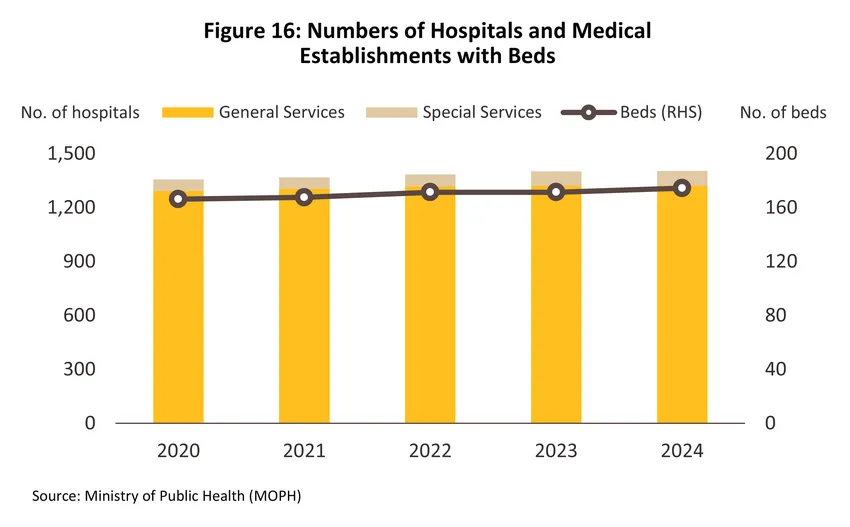
Growth in healthcare investment and expansion of healthcare coverage. Public and private investment in hospitals and specialty medical centers is expected to continue increasing (Figure 16), particularly in areas with strong economic and tourism potential. Major public-sector projects, including the Siriraj International Medical Institute (Bang Pho), the Ramathibodi Hospital Building and Yothi Innovation District Project, and the Andaman Health and Wellness Center, together with continued investment by major private hospital groups, will support demand for medical devices and advanced medical technologies. Meanwhile, the expansion of public healthcare coverage under the Universal Coverage Scheme and Social Security Scheme will improve access to healthcare services and support domestic demand for medical devices.
Medical device export value is expected to contract by -1.5% to -2.5% in 2026 (Figure 15), pressured by intense global competition, trade policy uncertainty, and the global economic slowdown, which is weighing on orders from trading partners. However, exports are expected to recover in the second half of the year, following a -4.5% contraction in the first half of 2026 and the peak of the Middle East conflict in the second quarter. Conditions could gradually improve as purchasing power in trading partner markets and international logistics conditions recover, although intermittent disruptions may persist. In 2027–2028, medical device exports are expected to return to average annual growth of 2.5–3.5% (Figure 15), in line with the gradual recovery of the global economy and rising demand for single-use devices, Thailand’s main medical device export category with strong growth potential. The Business Research Company projects the global single-use medical device market to grow at a CAGR of 11.2% during 2025–2030, driven by the rising prevalence of NCDs, population aging, growing demand for home healthcare, and greater emphasis on infection prevention. In addition, deeper ASEAN and RCEP economic integration, increased investment in medical device manufacturing, and upgrading manufacturing standards to meet international requirements will enhance Thailand’s export opportunities. However, intense price competition from major producers, particularly China and Malaysia, together with continued uncertainty in international trade policies, will continue to weigh on exports.19/
Thailand’s medical device industry continues to face several challenges, including:
1) Competition from foreign manufacturers and multinational companies. Most Thai operators are SMEs with limitations in investment capacity, technology, R&D, and market networks. They face increasing competition from foreign manufacturers and multinational companies with stronger capabilities to continuously develop and commercialize new products, putting pressure on Thai operators in terms of price, quality, and innovation.
2) Limited market penetration of high-technology medical devices. Thai manufacturers face challenges in expanding in the high-technology medical device market, as public and private hospitals continue to rely heavily on imported advanced medical equipment, limiting opportunities for Thai manufacturers to expand domestically.
3) Dependence on imported raw materials and components. Thai medical device manufacturers remain reliant on imported raw materials and components, such as plastic resins and metal tubing. Global supply chain disruptions or shortages in producing countries could affect production continuity and increase manufacturers’ production costs.
4) Stringent foreign standards and regulatory requirements. Exporters must comply with stringent requirements, such as those of the U.S. Food and Drug Administration (USFDA) and the European Union Medical Device Regulation (EU MDR). Compliance requires greater investment in quality management systems and product certification as global markets place increasing emphasis on product quality, safety, and standards.
5) Increasingly stringent environmental and sustainability requirements. Regulations such as the EU Packaging and Packaging Waste Regulation (PPWR) require exporters to adapt packaging design, material selection, and environmental data reporting. The EU Deforestation Regulation (EUDR) also requires exporters using natural rubber to establish traceability systems for raw material sources and comply with applicable requirements. These regulations increase the need for environmental considerations in product development and add compliance costs, which could weaken competitiveness and increase the risk of market share losses if requirements are not met.
1/ Medical devices include items which are used in the medical, nursing and midwifery professions to provide treatments for bodily conditions such as X-Ray equipment, ultrasound machines, reagent and test kits, and dental devices. Medical equipment refers to surgical and other equipment e.g. scalpels, thermometers, blood-pressure monitors, and medical supplies such as disposable gloves and masks.
2/ Calculated based on domestic sales and exports of medical devices relative to average GDP for 2022–2025.
3/ Classified into (1) external-use materials, such as examination and surgical rubber gloves and syringes, (2) temporary implantable materials used in the body for 6–12 hours, such as IV tubing, nasogastric feeding tubes, and absorbable sutures, and (3) implant devices placed fully or partially in the human body to replace missing or defective organs, primarily tissue, or used in orthopedic surgery or as substitutes for the lining or surface of the eye
4/ Including dental devices and equipment
5/ Thailand’s medical devices sector operates under the legal provisions of the Medical Devices Act (2008). The Medical Device Control Division under the Food & Drug Administration is the agency responsible for regulating the sector and issuing permits to produce, distribute and import medical devices, subject to specifications and standards laid out by the Thai Industrial Standards Institute. This is aimed at assuring consumers that all medical devices in Thailand meet the same standards, and to build up the competitiveness of the sector and acceptance of Thai products in the domestic and export markets.
6/ Source: Office of Industrial Economics and Krungsri Research, 2025
7/ Source: Medical Device Intelligence Unite
8/ Source: Office of Industrial Economics (OIE)
9/ Source: Department of Business Development (DBD), 2026
10/ Source: Fitch Solutions
11/ In fiscal year 2025, the number of inpatients receiving treatment through public healthcare services across Thailand’s 13 health regions reached 8.3 million, up 3.4% from fiscal year 2024.
12/ Source: Medical Device Intelligence Unite
13/ Electro Mechanical Medical Devices refer to electrically powered medical equipment, such as oximetry monitors and ventilators.Diagnostic and Therapeutic Radiation Devices refer to medical equipment used for diagnosis or treatment using radiation, such as X-ray machines and radiotherapy machines.
14/ Source: Office of the National Economic and Social Development Council (NESDC)
15/ Thailand’s life expectancy increased from 71 years in 2000 to 75.3 years in 2021. Source: WHO
16/ PM2.5 concentrations were approximately 3.8 times higher than the WHO recommended guideline. Source: 2025 World Air Quality Report
17/ Emerging infectious diseases include: (i) new infectious diseases that have never occurred before and require time for research to find treatments, caused by newly identified pathogens; (ii) Infectious diseases identified in new geographical areas; (iii) re-emerging infectious diseases, such as SARS, MERS, and avian influenza (in 2024, outbreaks were reported in Cambodia and South Korea); and (iv) antimicrobial resistant organisms (AMR).
18/ Source: Grand View Horizon April 2025
19/ For example, the U.S. is expected to impose a 12.5% tariff related to preventing forced labor in supply chains, compared
with a proposed 10% tariff on Malaysia, a key competitor of Thailand. The higher tariff rate could weaken Thailand’s price competitiveness in the U.S. market. However, uncertainty remains over potential additional tariff measures in the future.







.webp.aspx)